Sanrivatti ONE Tests a Forward-Leaning Driving Position
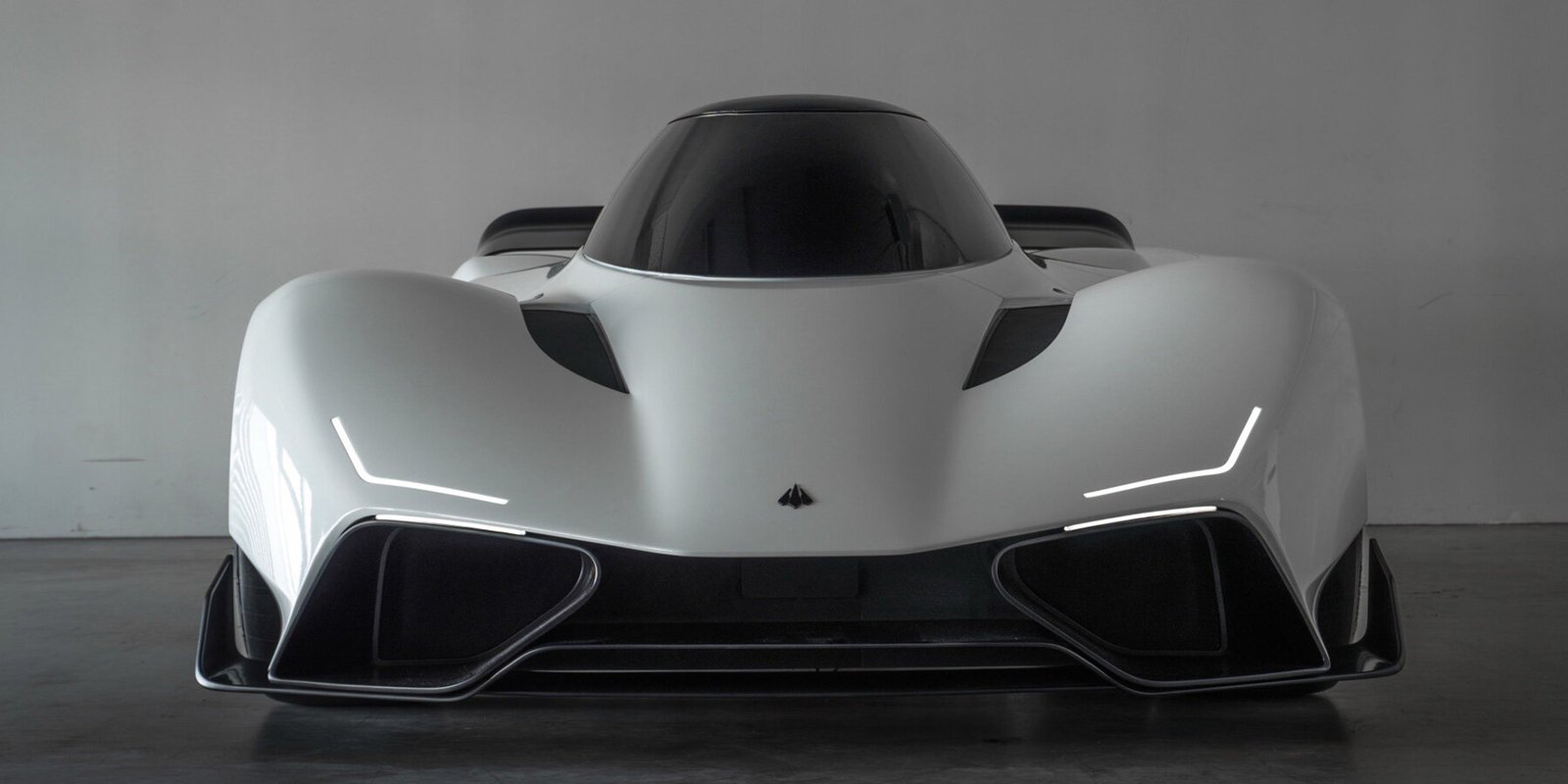
Sanrivatti ONE begins with the driver’s body rather than with a conventional supercar silhouette. The Arnhem-based company has developed the 2026 show car around what it calls the Apex Position: a supported, forward-leaning posture influenced by motorcycle racing. Moving the driver’s head and torso towards the front changes the relationship between seat, pedals, steering, sightlines and bodywork, producing an unusually low, directional object organised around perception.
Most high-performance cars recline the driver behind a long windscreen. Sanrivatti instead proposes a more upright position with the head pushed forward, intended to widen the visible field and make acceleration and cornering feel more immediate. The company claims that the arrangement reveals 3.2 times more of Silverstone’s third corner than a selection of ten benchmark cars, with a vertical field of view of 28 degrees against a cited 15.5-degree comparison. Those figures remain manufacturer claims rather than independently validated test results.
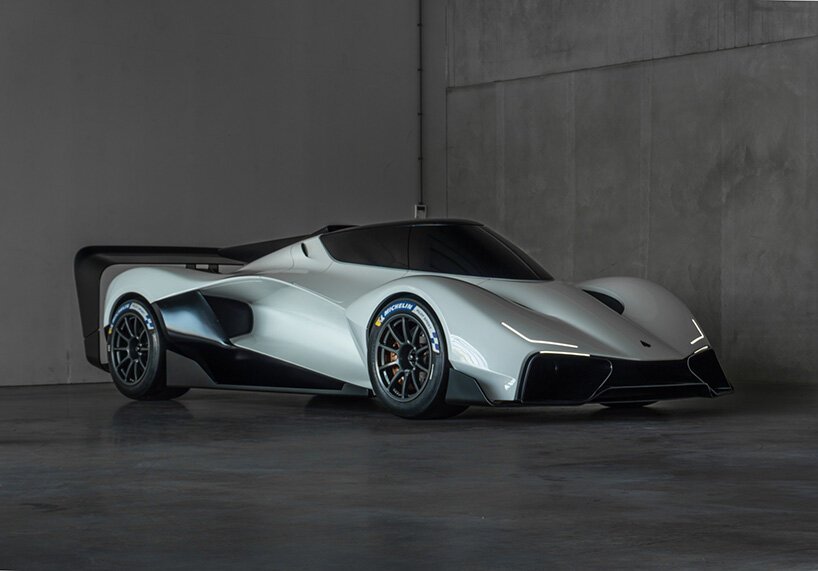
The altered posture generates the car’s proportions. A single-piece canopy sits along the centreline, flanked by high sculpted fenders and deep channels that carry air through the body. From above, the composition is almost bilateral; from the rear, a broad wing and open structures expose the aerodynamic framework. Sanrivatti cites the peregrine falcon in a high-speed dive and contemporary fighter aircraft as formal references, but the more useful reading is spatial: exterior form is being used to protect and extend a very specific cockpit geometry.
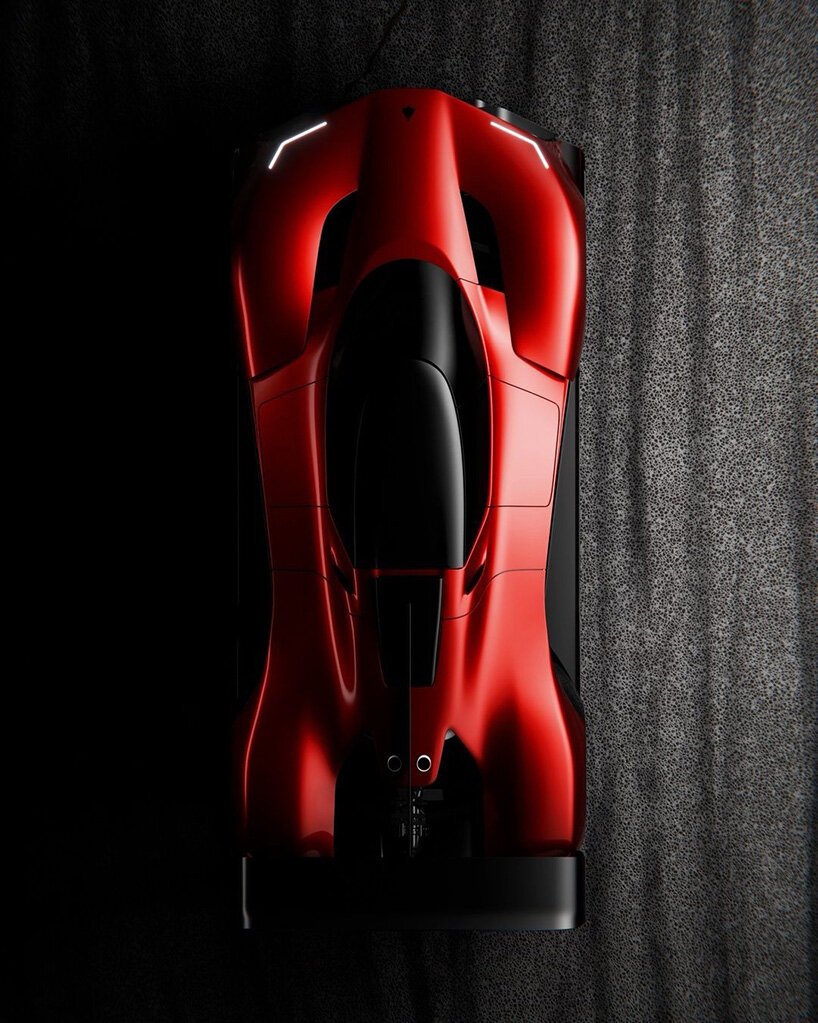
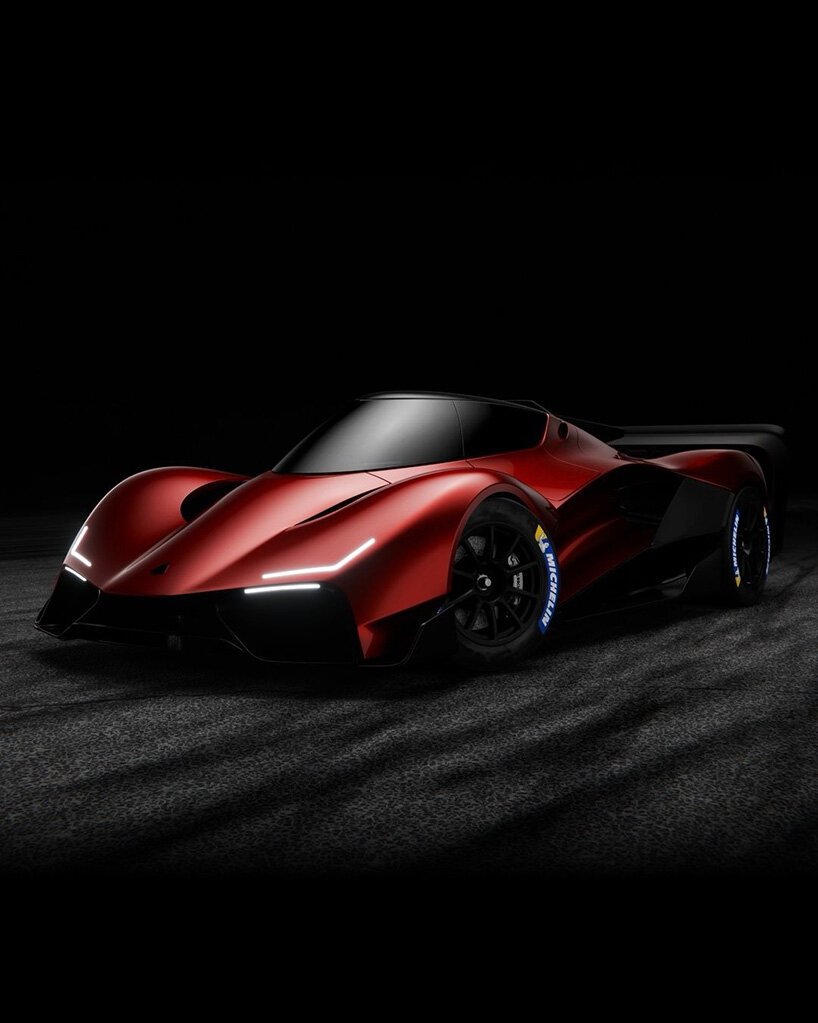
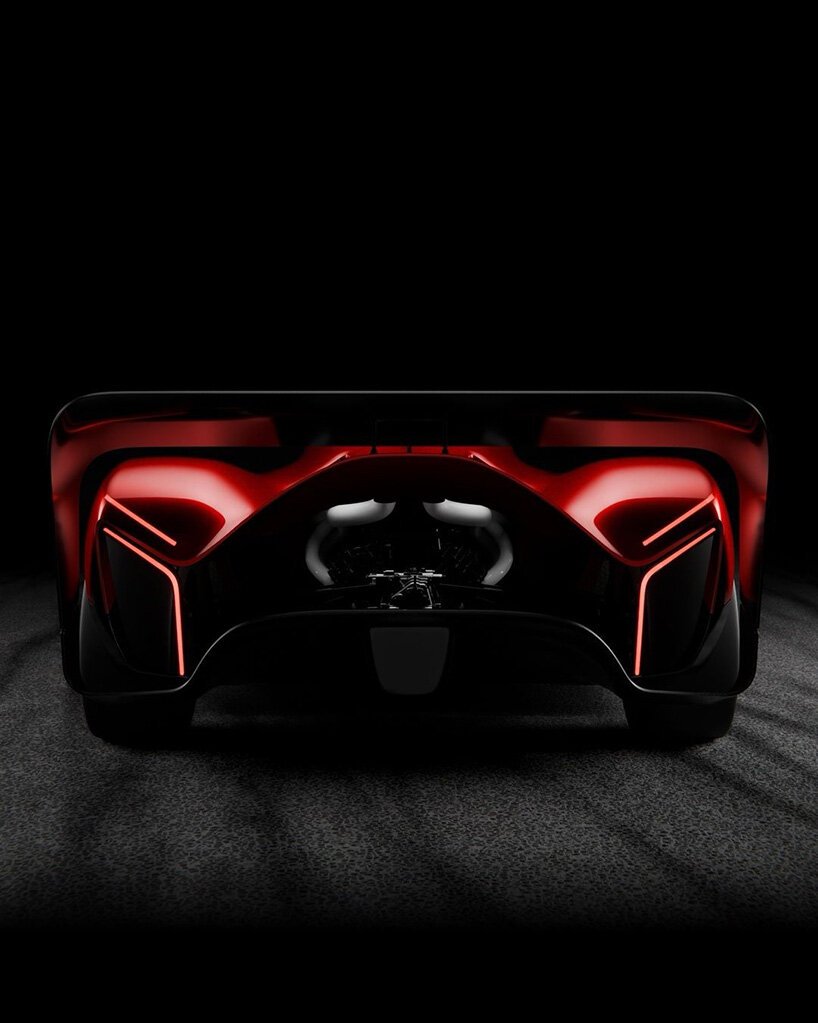
The proposed mechanical package is equally ambitious: an 800-horsepower, naturally aspirated 5.5-litre Judd V10, a six-speed Hewland sequential gearbox, rear-wheel drive and a carbon-fibre monocoque. Sanrivatti lists a targeted dry weight of 1,100 kilograms, 700 Nm of torque and a projected top speed of 330 km/h. These are development targets; a running production-ready prototype and verified performance testing have not yet been publicly demonstrated.
Read honestly as a show car, ONE is valuable because it tests a clear ergonomic proposition instead of adding technology to an unchanged cabin. The project asks whether a performance car can be shaped by bodily attention and visibility before horsepower. Its eventual significance will depend on whether the Apex Position works safely and convincingly outside renderings and static presentation.
Project information and image origins: Designboom. Design and images by Sanrivatti. Performance figures are manufacturer targets and remain subject to development, testing and validation.