Beyond BIG: The Opera House Designs Kosovo Left Behind
Kosovo is moving closer to a detailed design for its Opera and Ballet Theatre. The proposals that were not built still deserve a place in the public conversation.
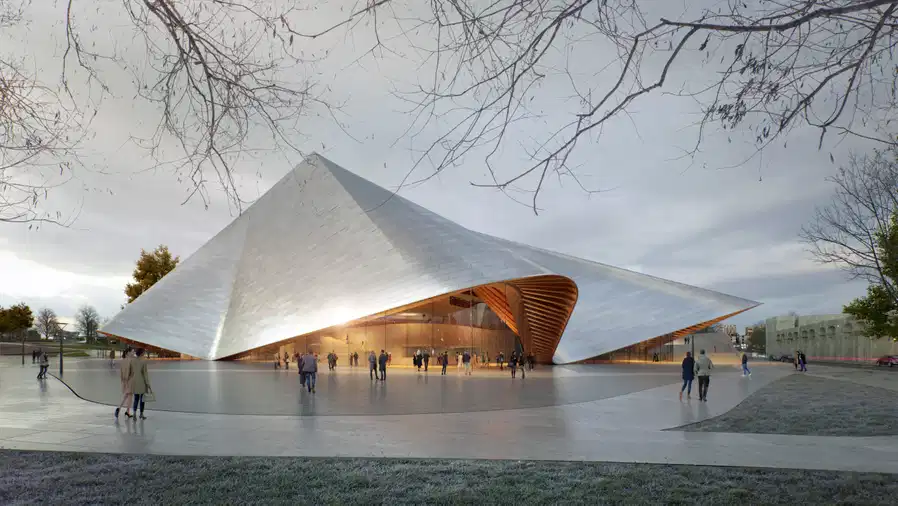
A rendering can make a decision look inevitable. Once a project is presented as the winning design, every earlier possibility begins to disappear from public view. In Prishtina, the image now associated with Kosovo’s Opera and Ballet Theatre is BIG and ALB-Architect’s sweeping, xhubleta-inspired roof. But that image tells only part of the story.
The country has pursued an opera house through several different competitions and procurement attempts. These were not all rounds of one contest. The distinctions matter, particularly when we begin comparing architectural ideas and asking how a public institution chose its future home.
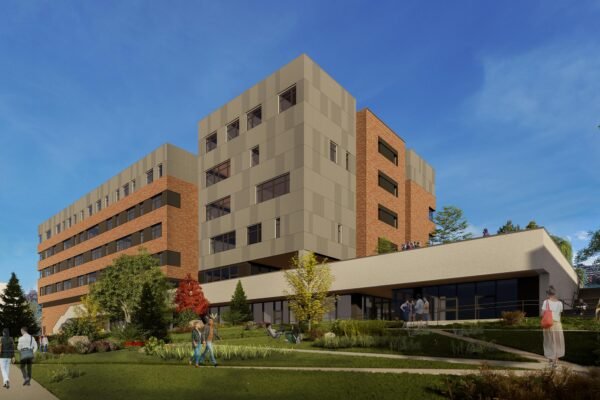
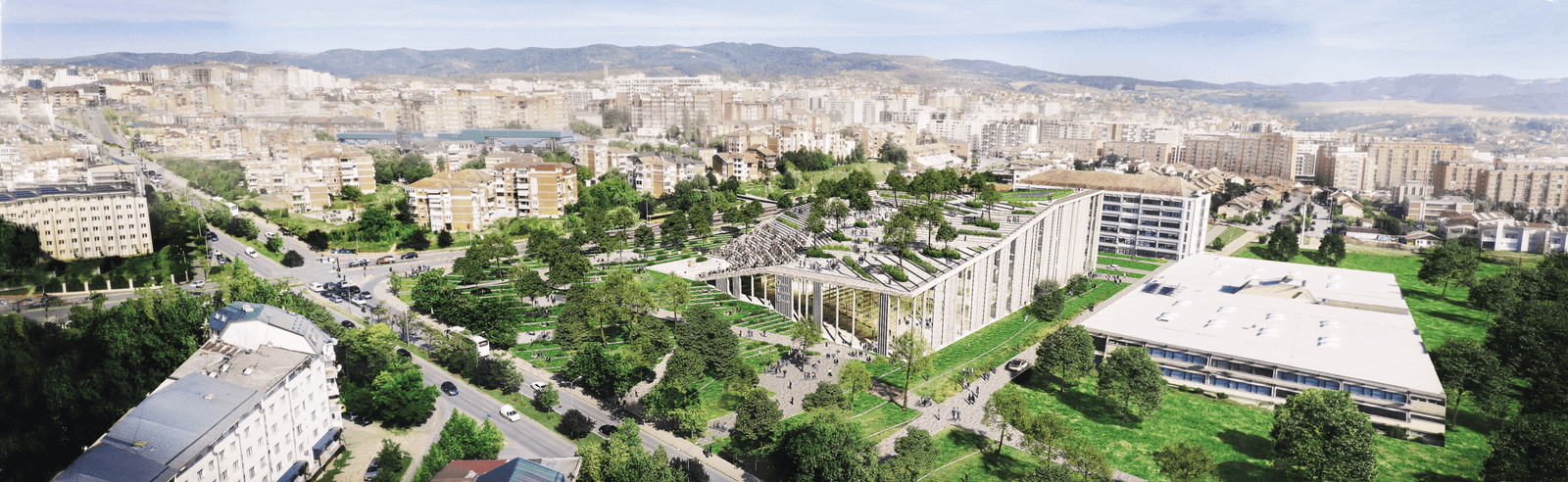
In a proposal published in 2019, MVRDV and OUD+Architects imagined an opera house as an accessible urban hill. Rather than merely placing a cultural object in the city, the scheme sought to give Prishtina another piece of usable public ground. The architects describe it as a winning competition entry, although subsequent reporting says the 2019 process did not produce an implemented outcome.
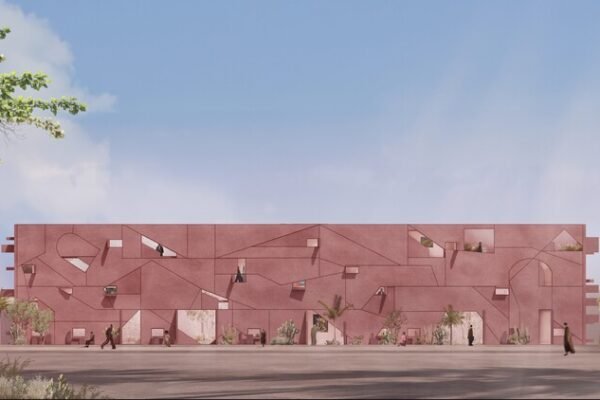
The 2019 finalist proposal by One Works and B22 explored a different approach, using multiple volumes and references to the local kulla building type. These projects asked what a national cultural building could contribute to everyday city life, not only to its performance schedule.
Then came another, separate procurement process. A competition launched in 2022 was cancelled in January 2024 after the Procurement Review Body identified procedural problems, including the disclosure of competitors’ identities during evaluation. That is not a minor technicality. An architectural competition depends on confidence that its rules apply equally to every team.
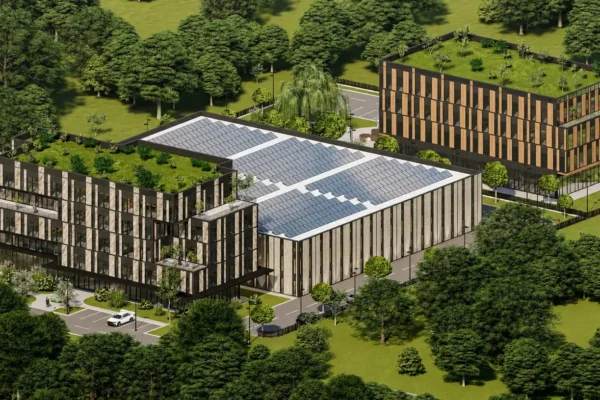
In the renewed 2024 process, the consortium of Gerber Architekten and Hark Architect initially ranked ahead of BIG and ALB-Architect. After reviews and objections, the outcome changed. KOHA documented the changing evaluations and complaints; the Ministry presented BIG’s design as the winner on 3 February 2025. These facts do not, by themselves, prove the final design was the wrong choice. They do show why the public deserves a comprehensible account of how the choice was reached.
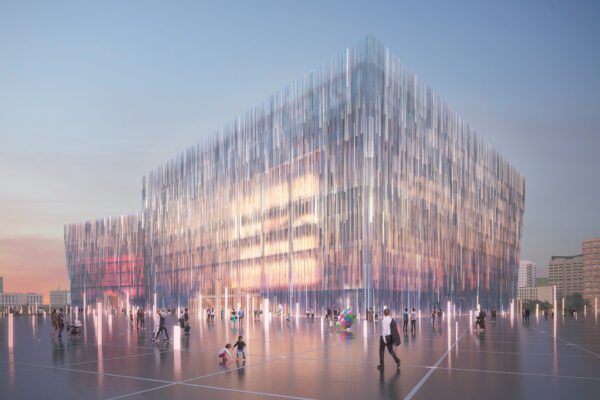
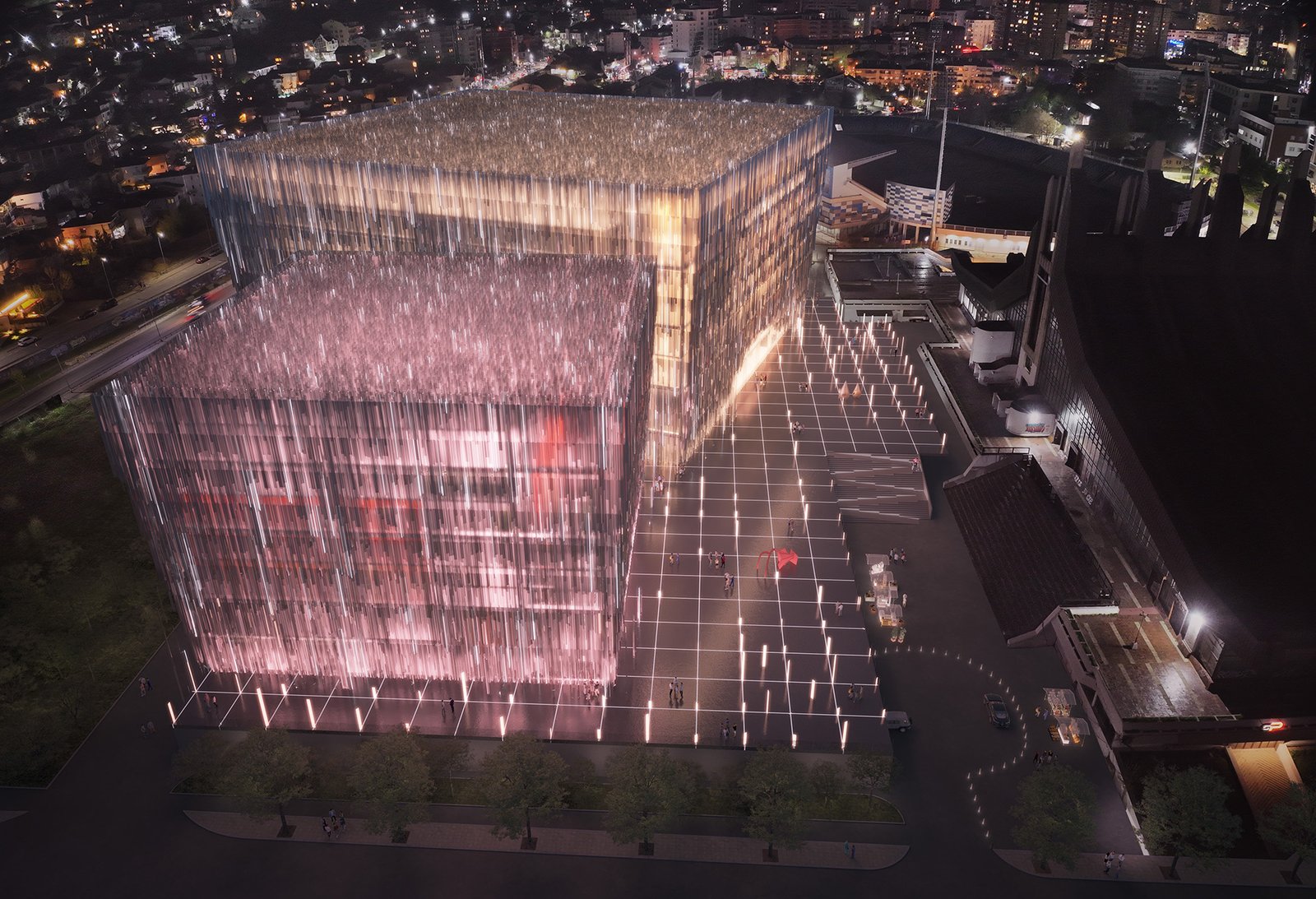
Other concepts are worth examining on their own terms. Daniel Statham Studio’s Theatres of Light, dated 2024–2025 by the studio, proposes two luminous performance volumes and a surrounding park. Its published competition status does not establish that it was a finalist in BIG’s evaluation. It does establish another architectural answer to the same cultural ambition.
There is a reason to revisit this history now. On 10 November 2026, Kosovo’s Culture Minister said the detailed design was nearing completion and that construction procurement would follow. Progress toward drawings and tenders is welcome, but a design nearing completion is not the same as a building delivered.
The next questions should be more demanding than which façade photographs best. Can the public spaces stay open and useful on ordinary weekdays? How will performances, maintenance and access work over decades? Can citizens see the comparative reasoning behind a major public commission? And will the eventual building become part of Prishtina’s daily life rather than simply its skyline?
We do not need to declare the unbuilt projects better than BIG’s to learn from them. We need to keep their ideas visible, distinguish the competitions honestly and judge the chosen building by what it will give the public. An opera house is more than an architectural image. Its real test begins when the city can use it.