James Turrell Turns Almine Rech’s New York Galleries into Light Fields
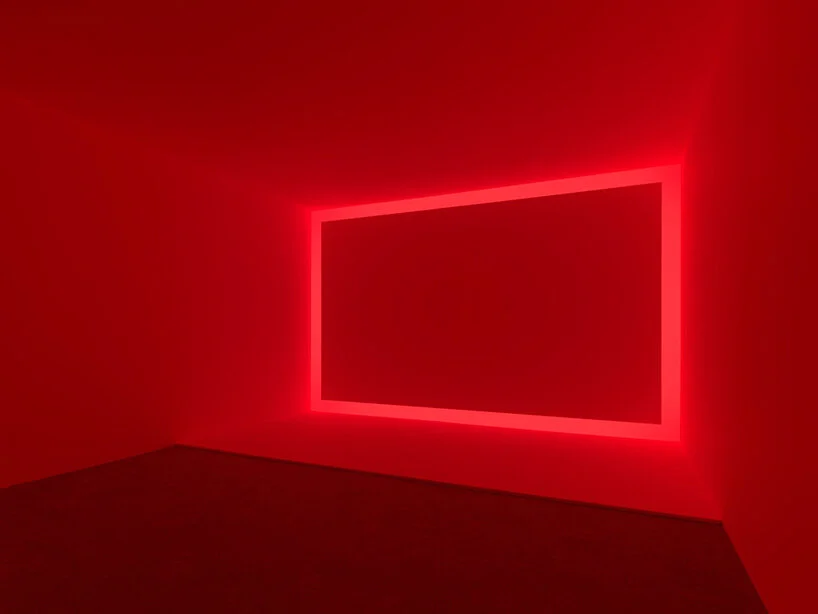
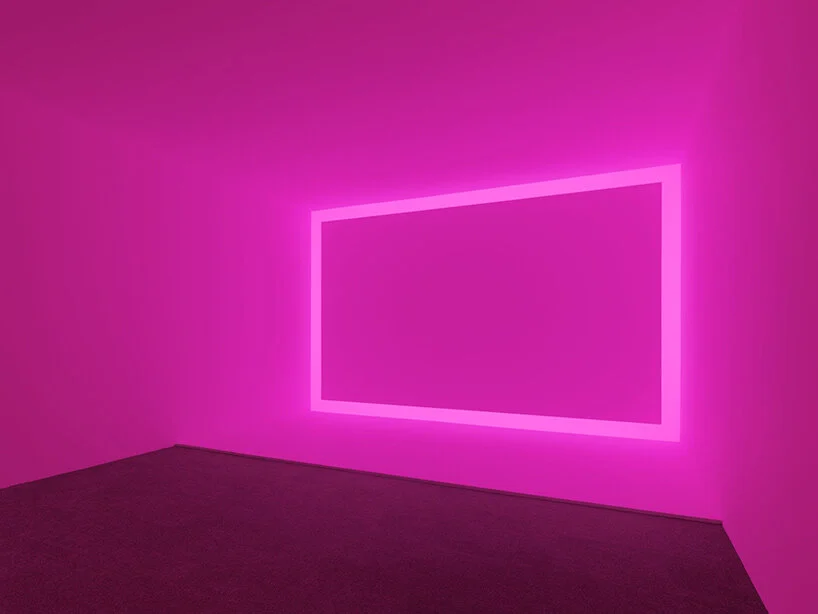
James Turrell’s New York exhibition, Something Old, Something New, Something Borrowed, Something Blue, treats the gallery as an instrument for seeing. Rather than placing objects against neutral walls, Turrell uses light, color and carefully controlled thresholds to make the rooms themselves register as the work.
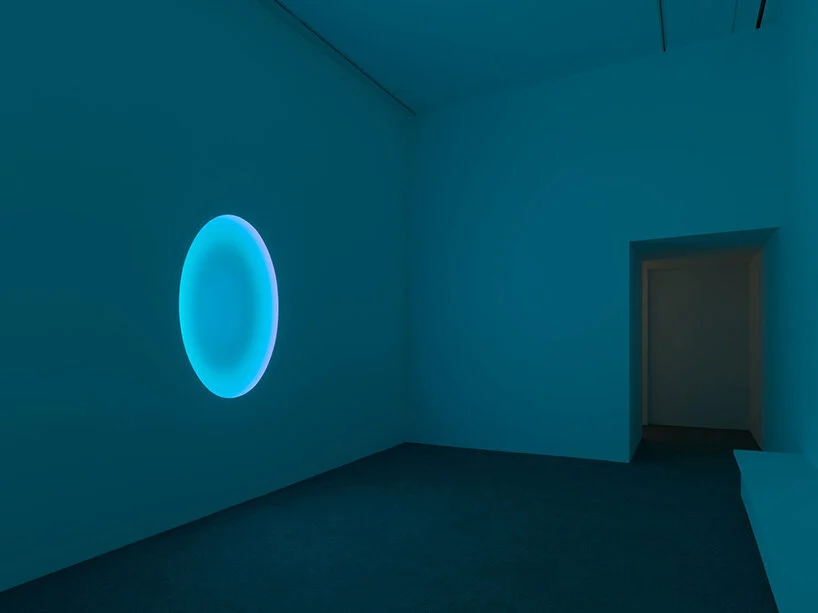
More than fifteen works fill Almine Rech’s two-floor space, including new versions of Shallow Space and the artist’s Glassworks. An illuminated field can appear solid, while a dark opening may read as a surface. Visitors become aware of their own movement as perception shifts from one room to the next.
The sequence matters as much as any single piece. Turrell’s work asks viewers to pause, adapt their eyes and notice how a change in hue alters the apparent depth of a wall or corner. There is no conventional overview; the installations unfold through transitions that delay certainty and reward close attention.
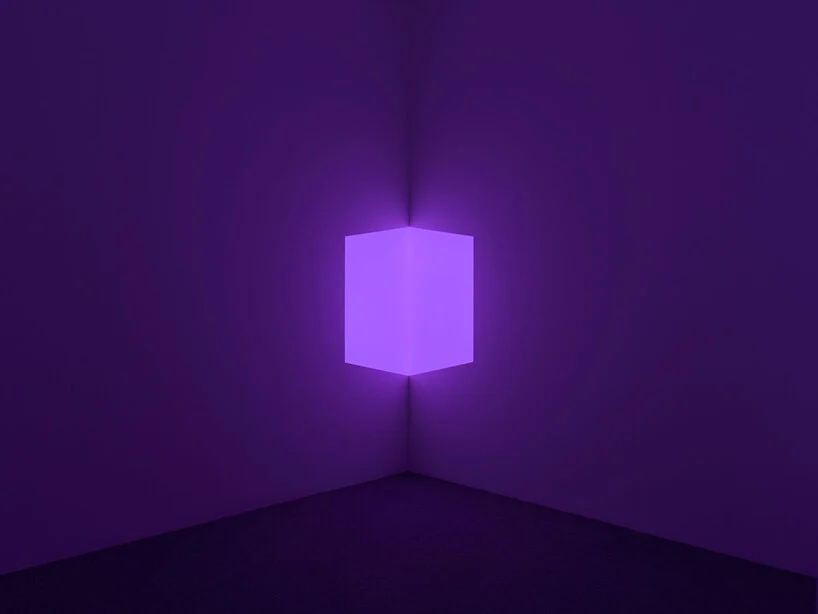
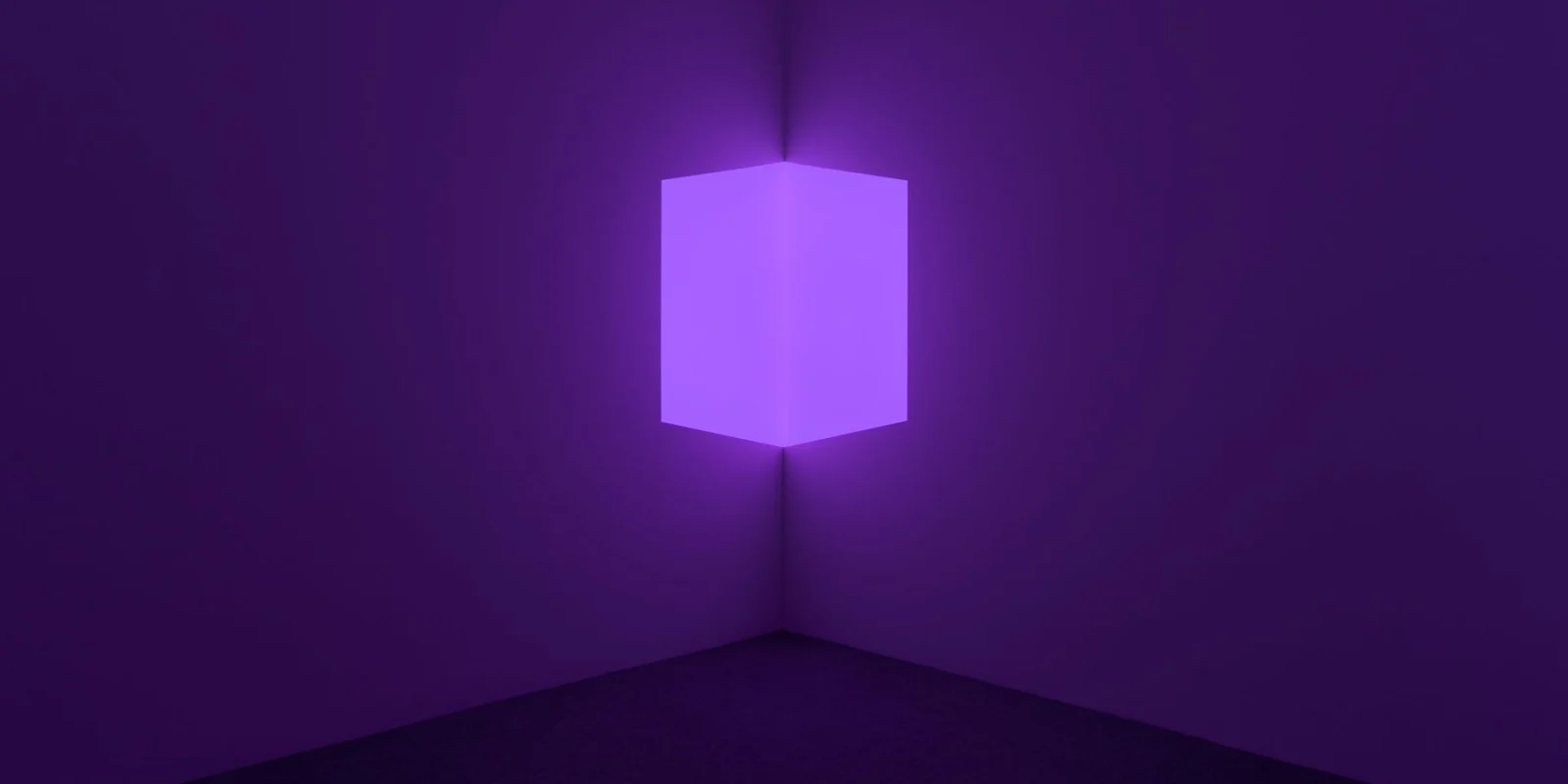
A new Cross Corner in Afrum Violet extends this approach into a corner, where projected light seems to occupy the space as a geometric volume. Its apparent solidity depends on the viewer’s position, turning an architectural joint into an active part of the composition. A corner stops behaving only as a boundary and begins to seem like a room within a room.
Open from 12 November 2026 through 30 January 2027, the exhibition makes architecture’s quiet tools—darkness, distance, proportion and sequence—visible through an art installation. The works are new or newly presented in this 2026 show; Turrell’s wider practice is longstanding.
See photographs and project details on Designboom, and check the gallery’s exhibition page. Image credits are reproduced as provided by the source and do not imply a transfer of image rights.
This is not a show that can be reduced to an image of a luminous rectangle. Photographs can document the installations, but the experience depends on a visitor’s time inside each space: pupils adjust, edges become harder to locate and color begins to feel like a material. That embodied quality is central to Turrell’s practice and makes the gallery’s architecture an essential collaborator.
For a publication about space, the exhibition offers a precise case study in how little can be needed to alter a room. Light is calibrated, boundaries are withheld and the viewer supplies movement. The resulting work is architectural in its effects even when it remains an artwork rather than a building project.
The show is a reminder that spatial design can operate through perception as directly as through form, and that a gallery visit can be choreographed without conventional partitions or signage.