InSituWear Uses a Robotic Arm to Weave Textile Directly around the Body
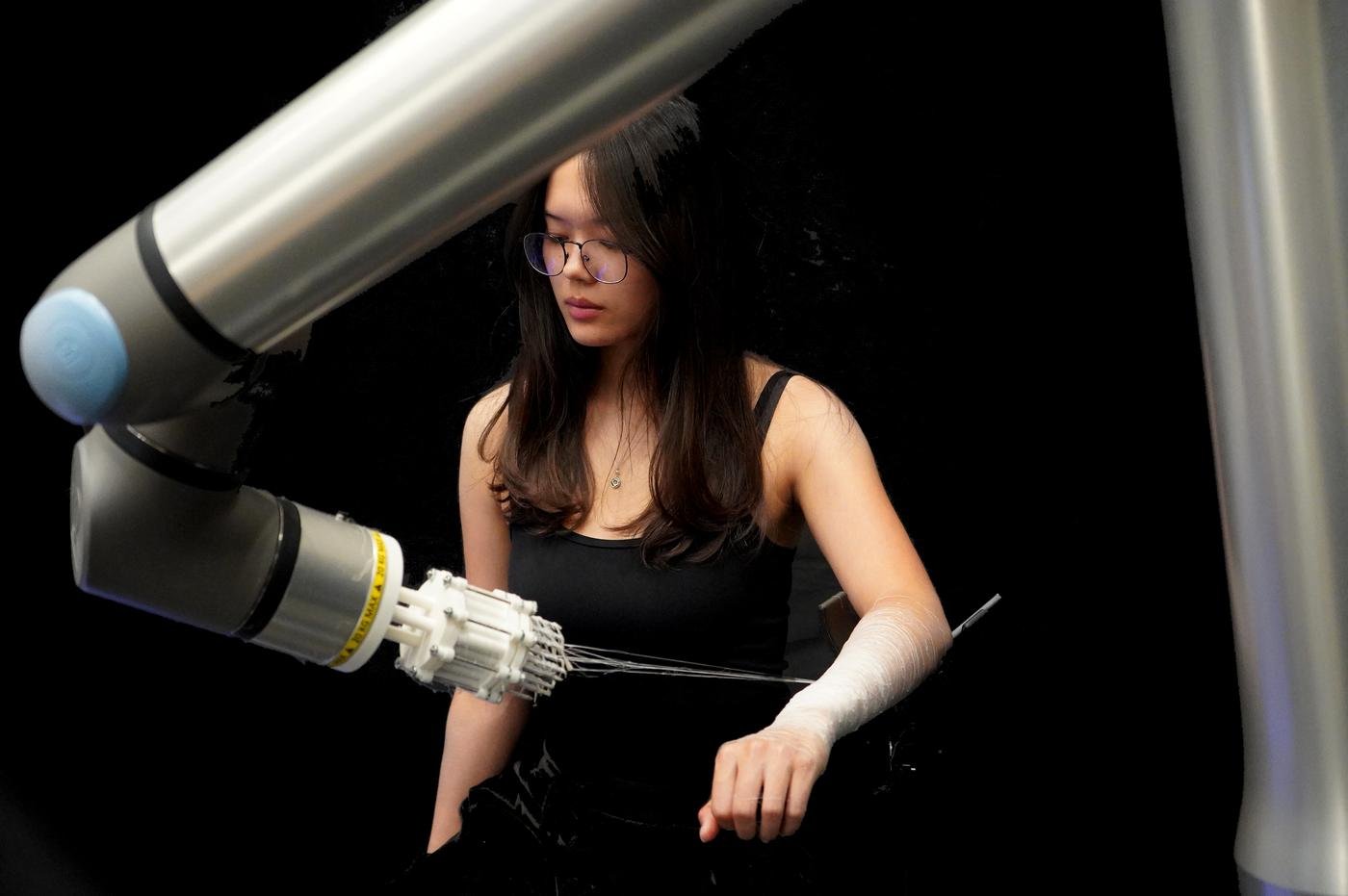
Released by Designboom on 24 November 2026, InSituWear is a 2026 research experiment from MIT Media Lab’s Critical Matter Group. The team explores a different way to make wearable material: a robotic arm melt-draws thin thermoplastic fibres directly around a person, responding to the shape and movement of the body.
The researchers present a 35-centimetre sleeve made from polycaprolactone (PCL) in about 22 minutes, alongside a thermochromic glove prototype. These are experiments, not a finished consumer product. Their value lies in showing how a garment’s fibre paths can be placed with more control than conventional flat textile production allows.
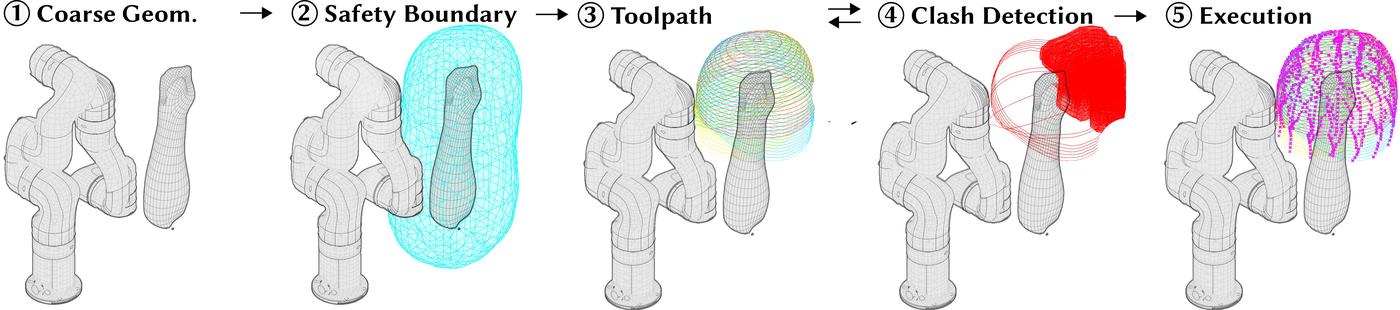
The project makes the manufacturing process visible: strands are pulled, layered and varied to create different widths and behaviours. That opens questions about garments that can remain flexible in one area and provide structure in another, with the material built around the wearer rather than cut from a uniform sheet.
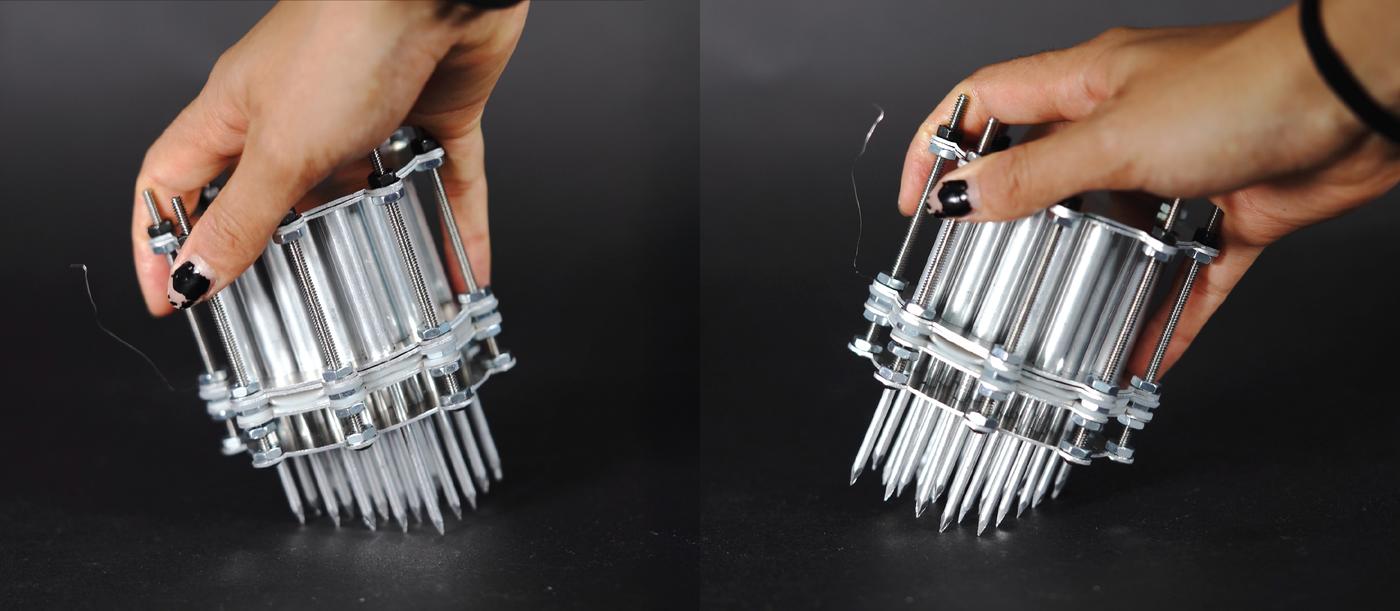
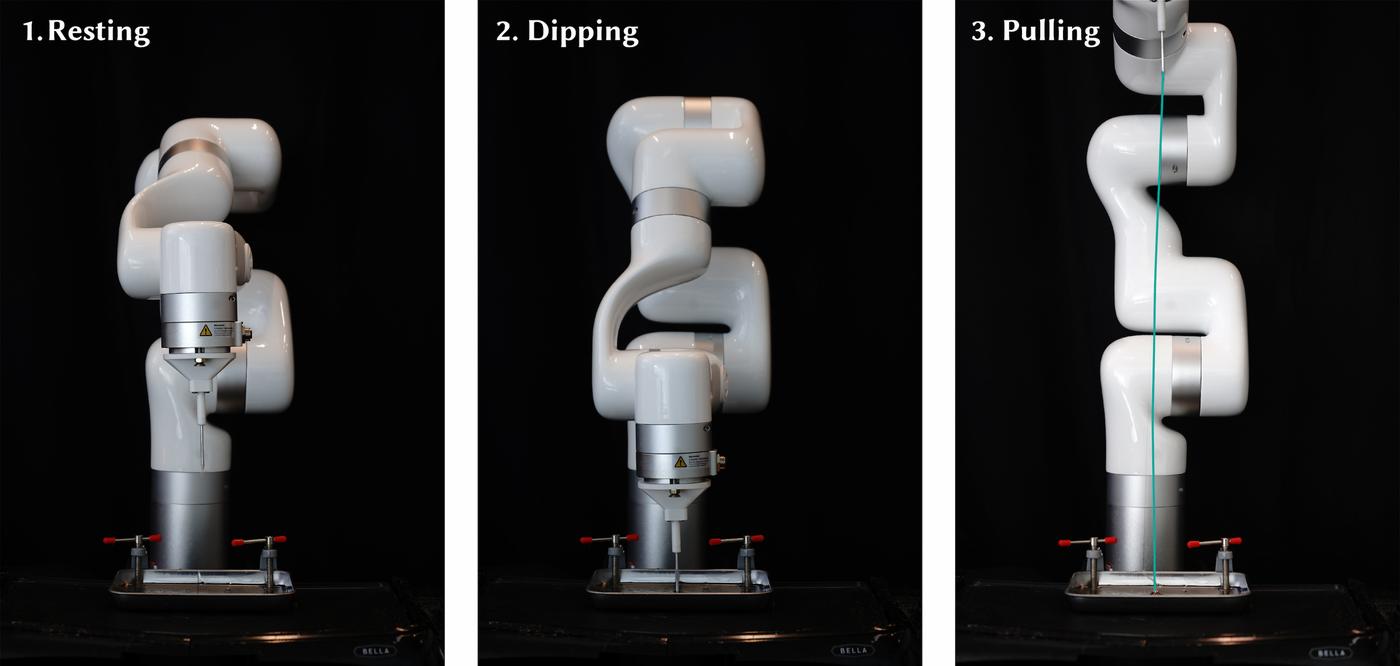
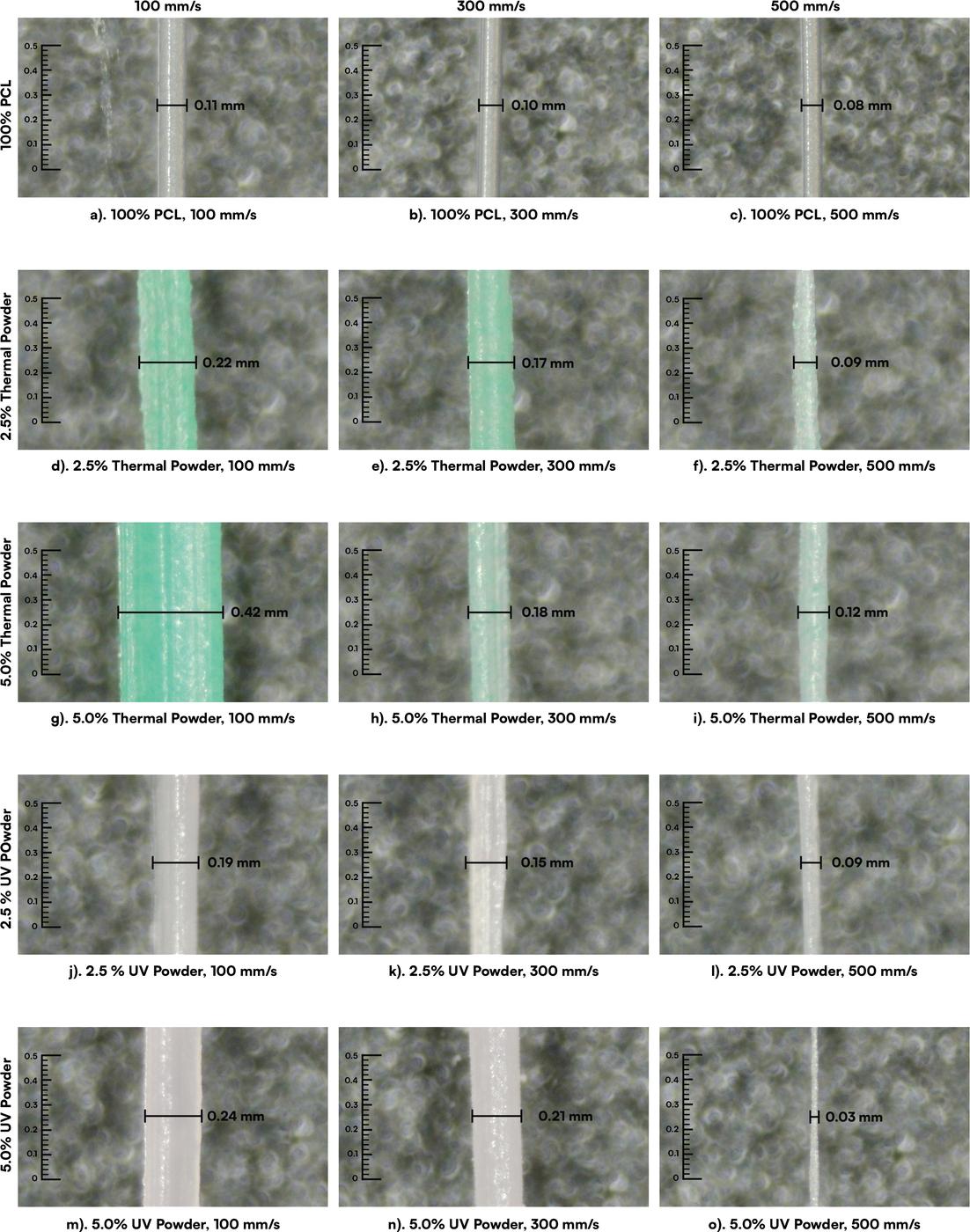
Images are from the MIT Media Lab project page and are attributed there to the research team; their appearance here does not state a separate reuse licence. Read Designboom’s report.