TARIKI Laboratory Turns Environmental Data into Objects for a Tea Ceremony
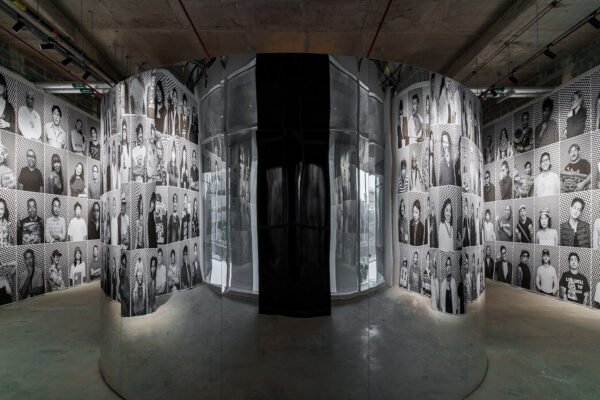
At alter. Tokyo 2026, TARIKI Laboratory presented a tea ceremony organised around information gathered from the surrounding world. The experiment connected environmental sensing, an AI algorithm and the manufacture of drinking vessels, giving normally invisible fluctuations a physical form.
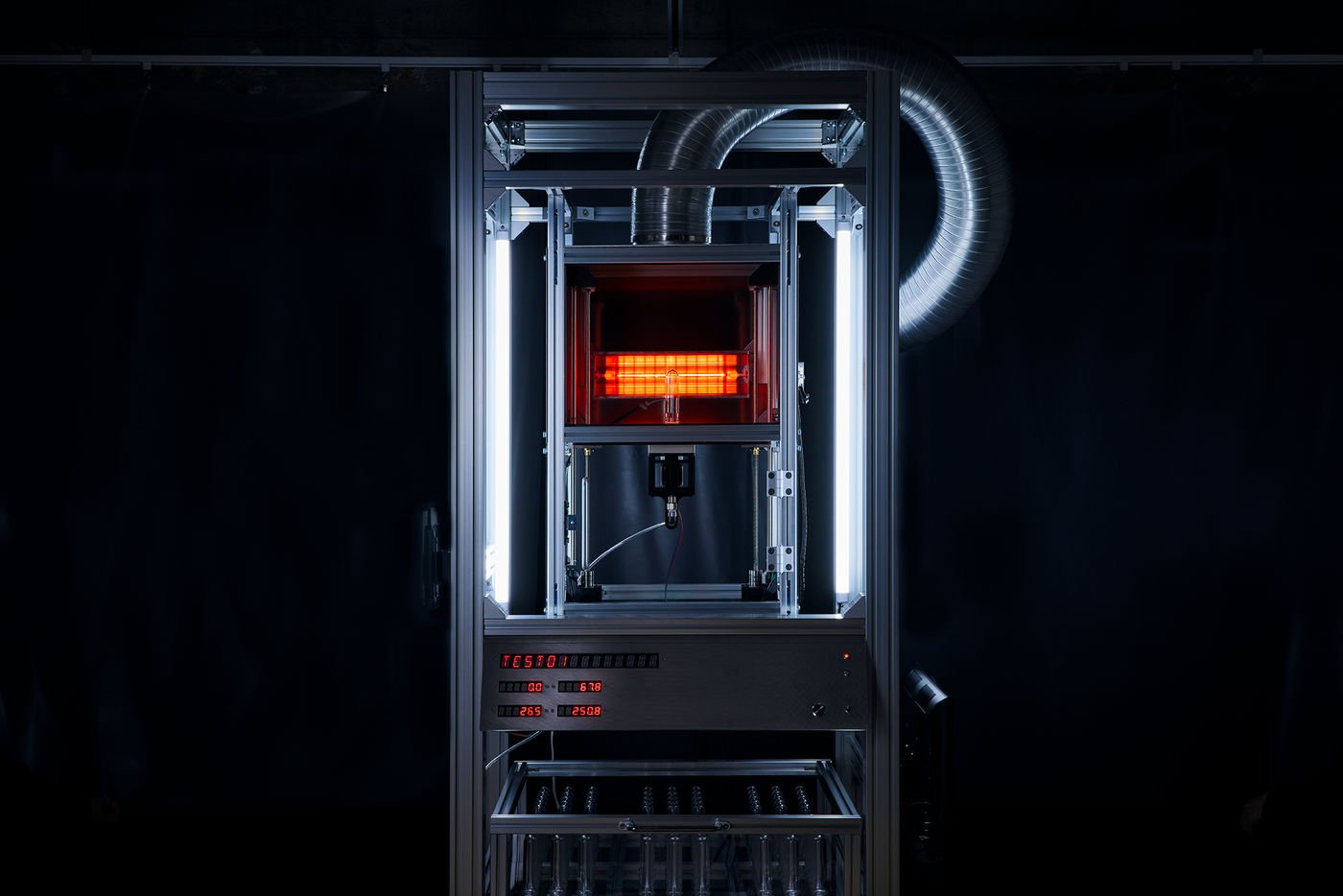
High-precision sensors from Azbil recorded changes in settings including buildings, cities and natural environments. Tengun-label’s algorithm translated the readings into a data format called .trk. This became an input for Toyo Seikan’s free-blow forming process, shaping PET preforms into vessels with individual geometries.
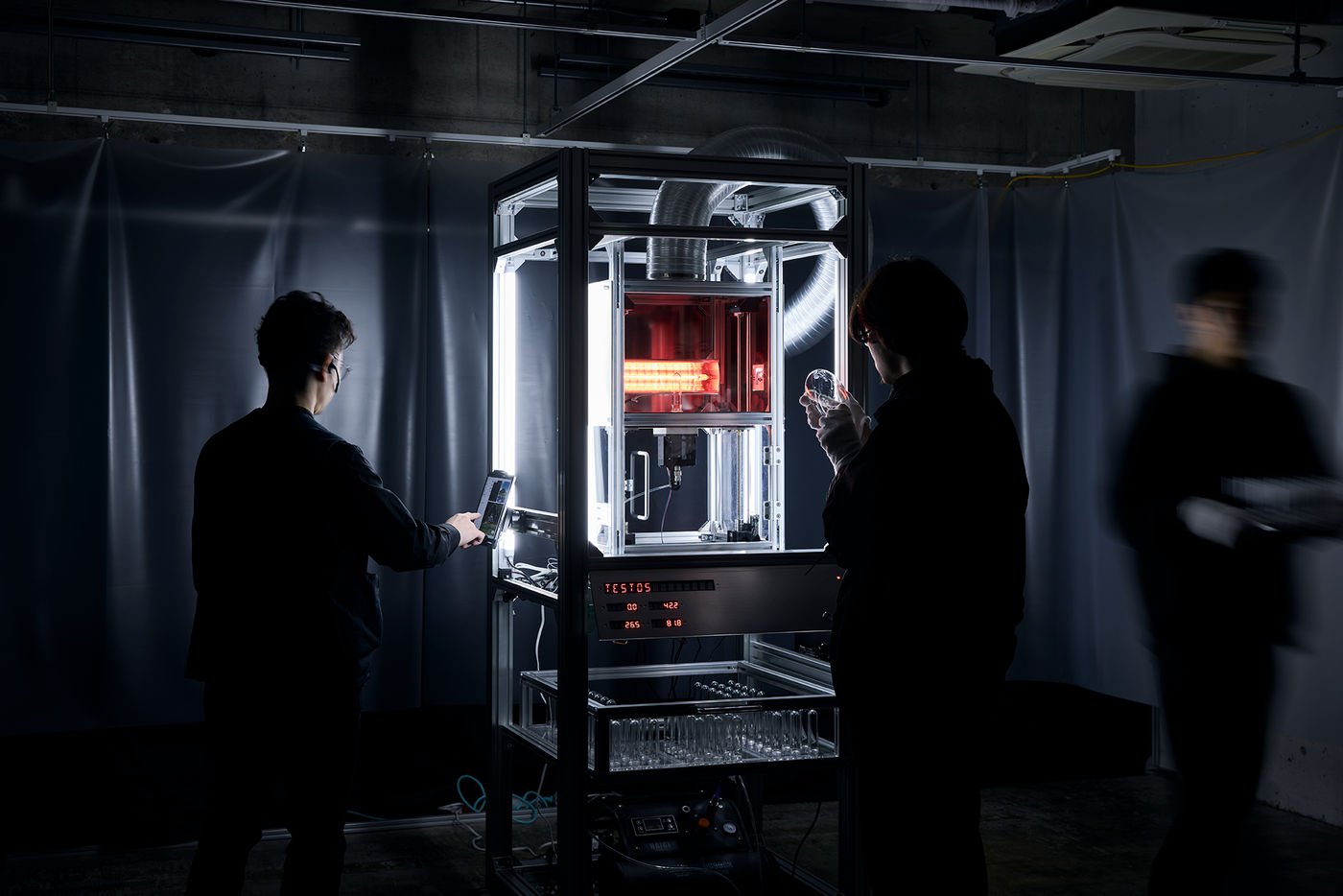
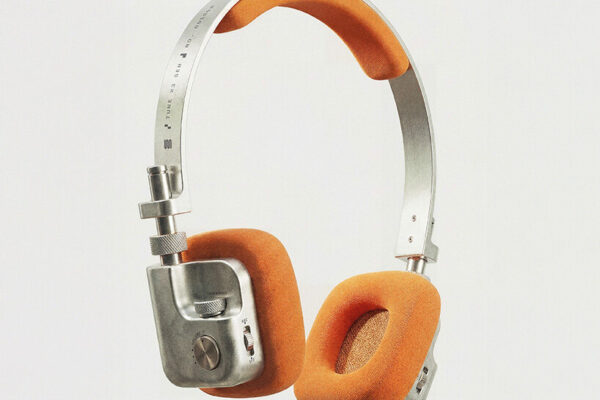
The resulting objects bring a technical sequence into an ordinary action: choosing a vessel, holding it and drinking tea. Ito En supplied the tea. Rather than presenting a screen-based description of environmental conditions, the project made those conditions part of an encounter with a manufactured object.
This is an experiment in interpretation, rather than a claim that the data provides a literal picture of nature. Between the sensor and the finished vessel, decisions about translation and fabrication determine which qualities can become visible or tangible.
The collaboration brings together product designers, engineers and creative practitioners from Toyo Seikan, Konel and Tengun-label. TARIKI Laboratory began in 2025; the Experimental Tea Party was shown at the 2026 edition of alter., held at Nihonbashi Mitsui Hall from 29 October to 1 November.
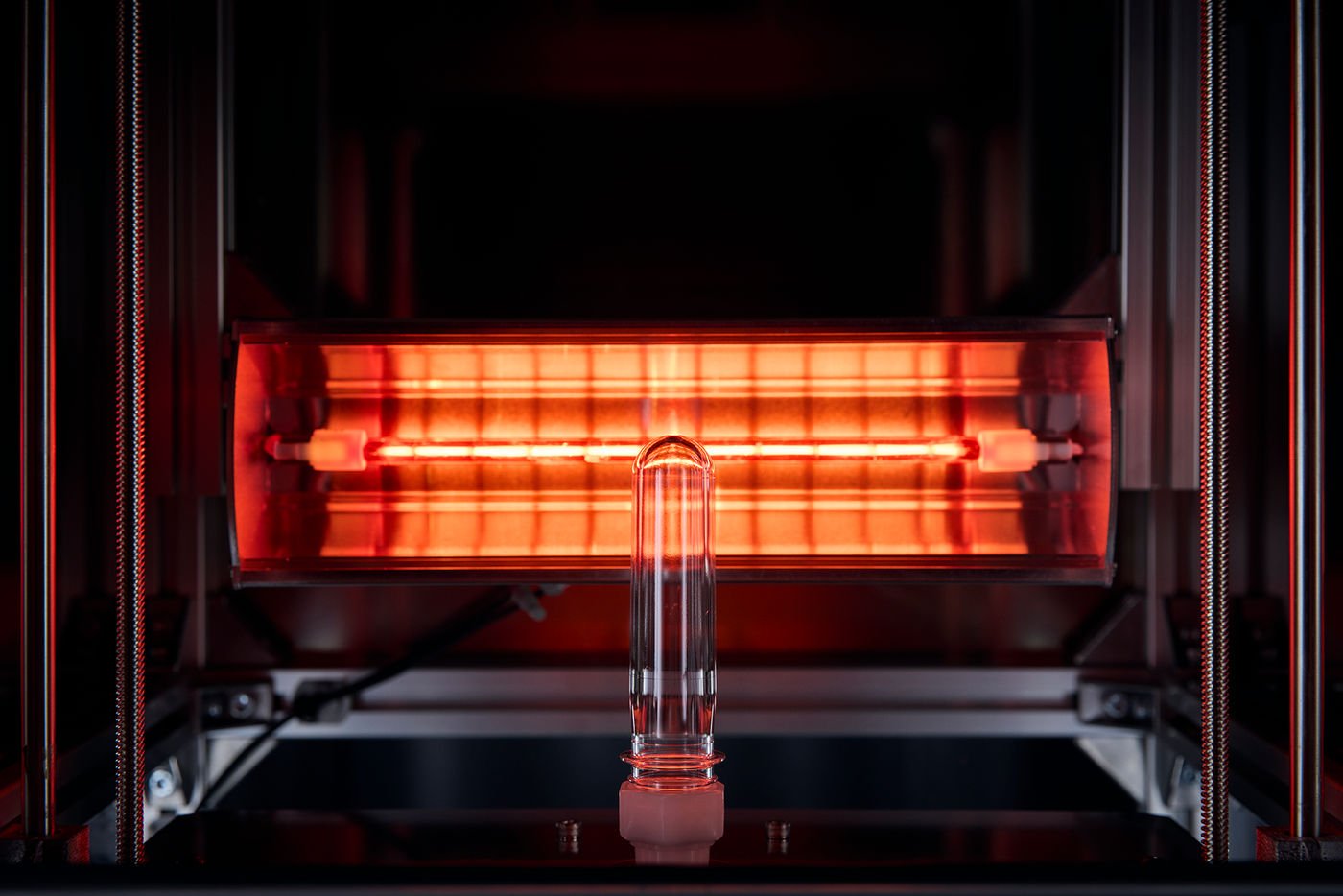
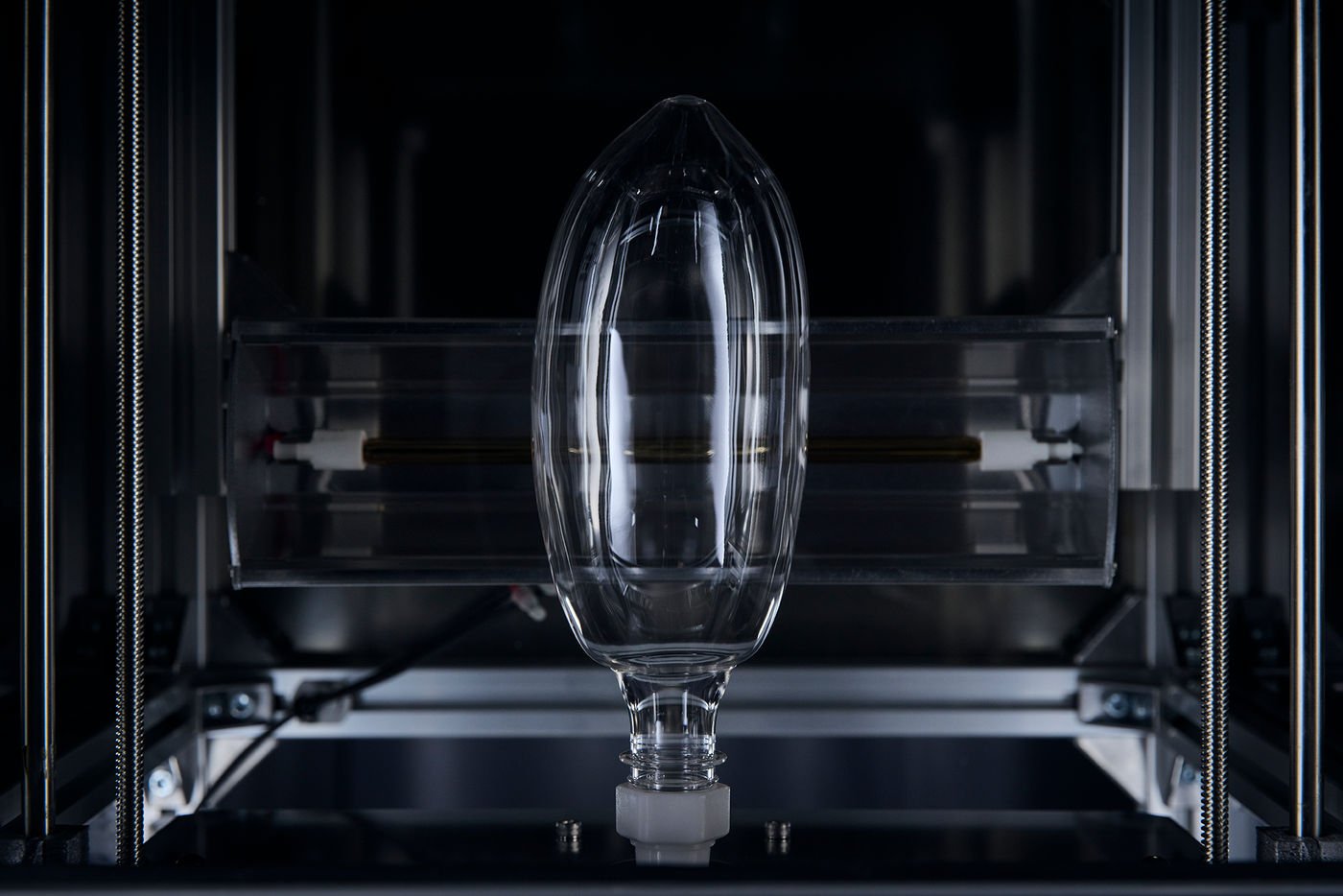
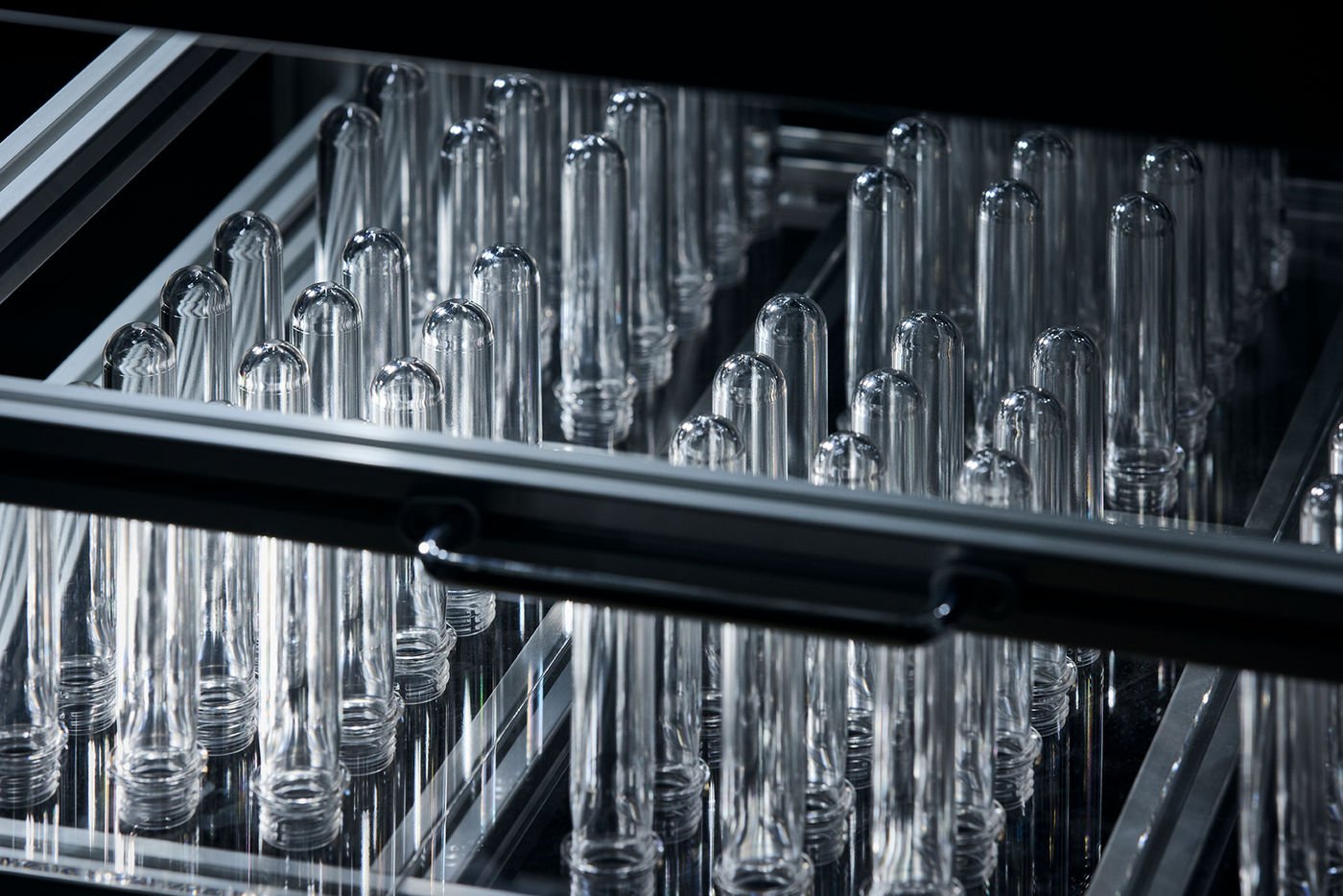
For design practice, its interest lies in the complete chain from observation to making. AI occupies one stage of that chain, alongside sensors, material processing and the social setting in which the object is used.
Images credited to Ken Miya, via alter. Tokyo. Project information and image source: alter. Tokyo.