
What kind of cities will we live in?
According to UN projections, by 2050 two out of every three people on Earth will live in vast urban areas. “By mid-century,” estimates architect Carlo Ratti, director of the Senseable City Lab at the Massachusetts Institute of Technology, “more buildings will be constructed worldwide than have been built throughout human history. Our living environment will no longer be rural but urban. It is therefore essential to understand how to initiate sustainable urban development, using technology to make cities centres of efficiency and energy conservation, environmental responsibility and accessibility.”
Urban planners and computer scientists are responding by studying how to make cities “smart”. The term refers to innovative solutions in mobility, the environment, transport, and energy production and consumption, intended to support sustainable economic development and a good quality of life.
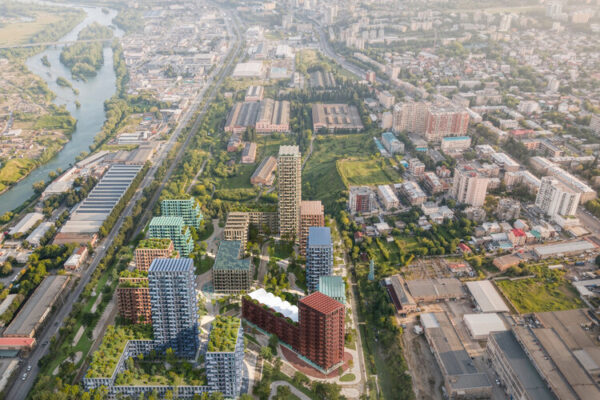
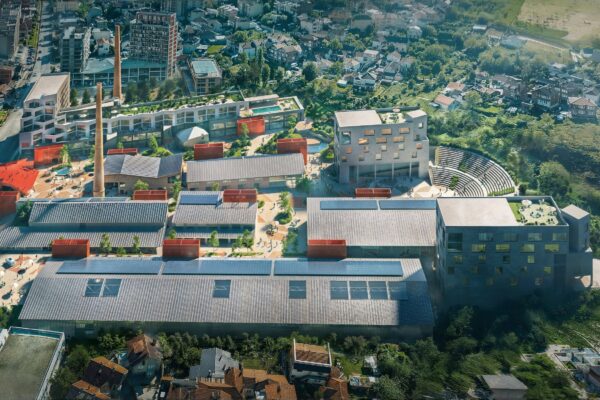
One way to make cities more liveable is to improve homes’ energy efficiency through solar and wind power. Proper water management will also be essential, with computer networks in buildings automatically regulating excessive consumption. Urban vegetation is another widely discussed approach: a form of “biological architecture” in which a planted screen captures fine dust, filters sunlight and creates a comfortable microclimate.