
How Gensler Is Bringing AI Into Architectural Design
Artificial intelligence is moving into the day-to-day work of architecture. At global design firm Gensler, teams are using AI to explore ideas, test how buildings may perform and communicate proposals before construction begins. A recent Business Insider report describes how the firm is bringing these tools into projects across its practice.
Gensler works on roughly 3,000 projects each year, and the report says AI is now used in some capacity on most of them. The firm began by testing different generative AI tools in an internal “AI sandbox.” Some tools have since been brought into an in-house interface, while staff have received training in image, video and prompt-based workflows.
Testing ideas before a building is built
The most useful shift is from AI as a way to make quick images to AI as a way to ask better design questions. Teams can explore how daylight might enter a space, how people could move through a workplace, or how occupancy could affect ventilation and energy use. These tests can help designers compare options earlier, when changes are easier to make.
For Under Armour’s planned headquarters in Baltimore, Gensler used AI to study how employees might use the building through the day and how patterns of use could influence environmental performance. The technology supports analysis and exploration; architects still have to decide which ideas respond to the client, the site and the people who will use the building.
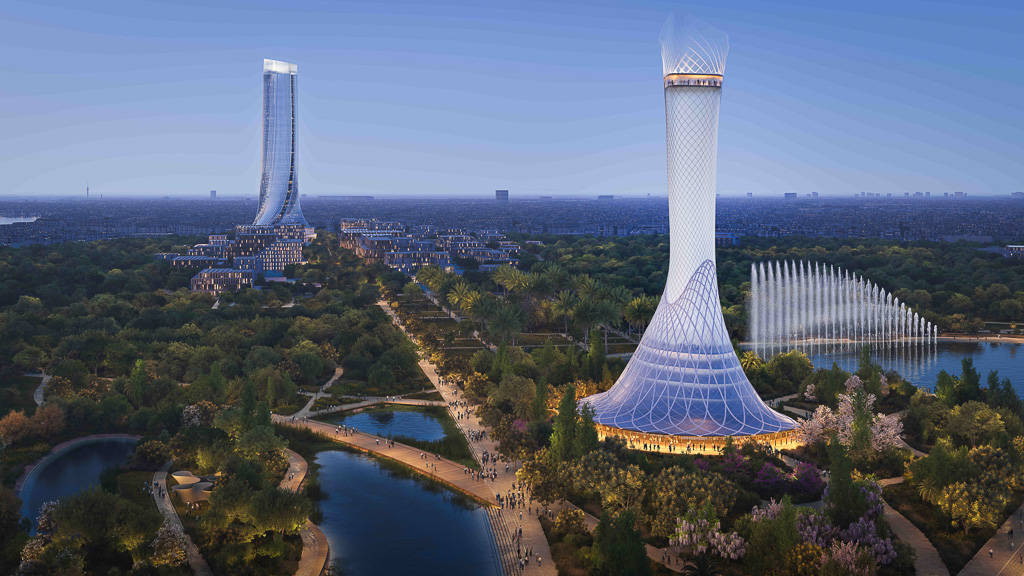
Gensler has also used AI to help communicate the vision for Baghdad Sustainable Forests, a proposed ecological district on a former military site. The master plan covers more than 10 million square metres and combines forested areas with mixed-use neighbourhoods and public spaces. Here, AI-generated visuals can help make a complex future project easier to imagine and discuss.




More options, with people still in charge
Gensler’s experience points to a practical role for AI in architecture: helping teams explore more possibilities, test selected conditions and tell a project’s story. The tools may speed up parts of the process, but they do not settle questions of context, materials, cost or public value. Those decisions still depend on designers and the people involved in each project.
That distinction matters as AI becomes more common in design offices. Faster visualisation can make an idea look convincing before it has been checked. Used carefully, however, AI can give architects more ways to investigate a proposal and explain it clearly, while leaving professional judgment at the centre of the work.
Source: Business Insider. Project images courtesy of Gensler.