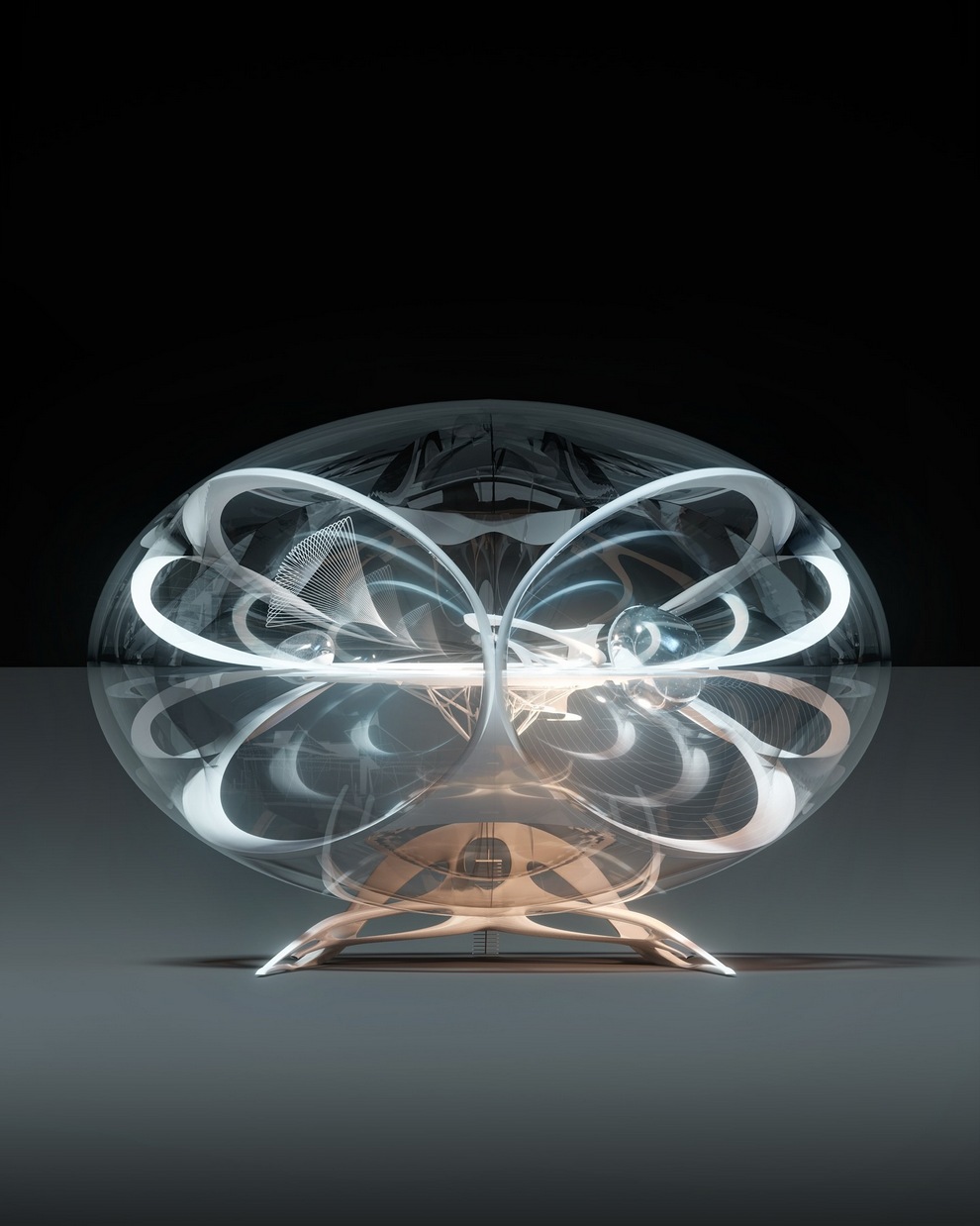
Witchaya Jingjit Imagines Architecture as a Living Machine
Witchaya “Mean” Jingjit uses architectural images to ask what cities might become when technology, landscape and infrastructure start behaving as one system. The Thai architect’s speculative work moves beyond the familiar task of showing a finished building. It gives imagined environments their own atmosphere, movement and sense of scale.
This is a selection of digital studies and speculative architecture, rather than a completed development. Its appearance in an August 2026 feature does not make every project new: the collection sits within a longer practice of imagining possible worlds.
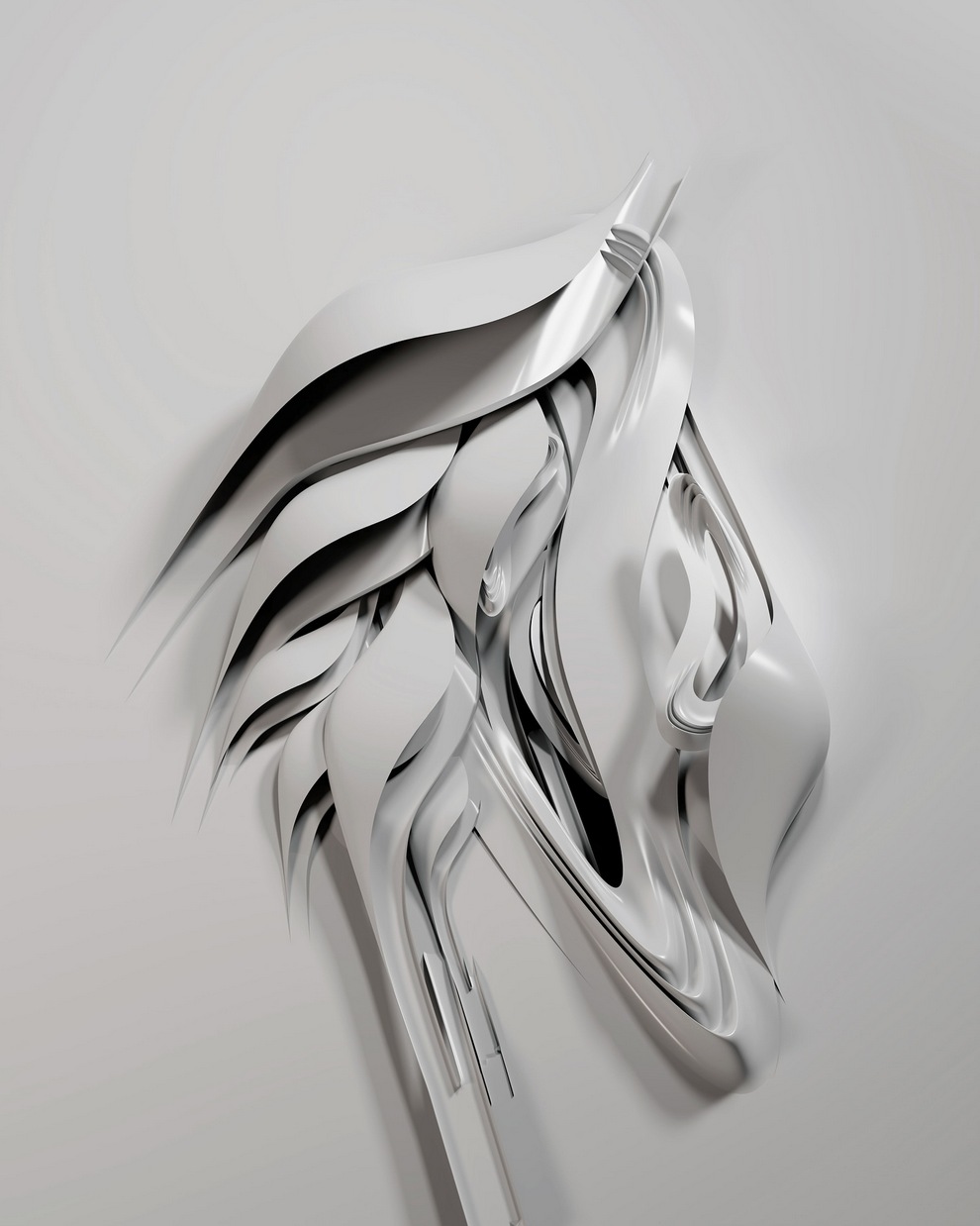
A useful way into the work is Jingjit’s teaching on computational design. His Mechanomorph course at Futurly describes a process that develops three-dimensional architectural forms from two-dimensional patterns, then reshapes their surfaces through mesh editing and digital sculpting. Movement paths and visual staging become part of the same investigation.
The course names Maya, ZBrush, KeyShot and After Effects. These are documented tools within that teaching workflow; they should not be read as a confirmed production list for every image shown here. The distinction matters because an unfamiliar digital aesthetic alone does not establish how an image was made.
Jingjit’s stated interest in architecture as a machine gives these experiments a larger direction. In his teaching biography, buildings are imagined as responsive systems that engage with their surroundings. That shifts attention from the outline of an object to relationships between its parts: how a surface becomes structure, how a route directs movement, and how a larger arrangement could respond to environmental pressure.
His thesis, Mechanomorph (Hydro)City – The Future of Bangkok, explores an urban future shaped by flood risk and the meeting of nature and technology. A separate image, Finding a New Land, received a Young Designer Director’s Choice distinction in the 2021 Render of the Year awards. These references establish the work’s longer timeline.
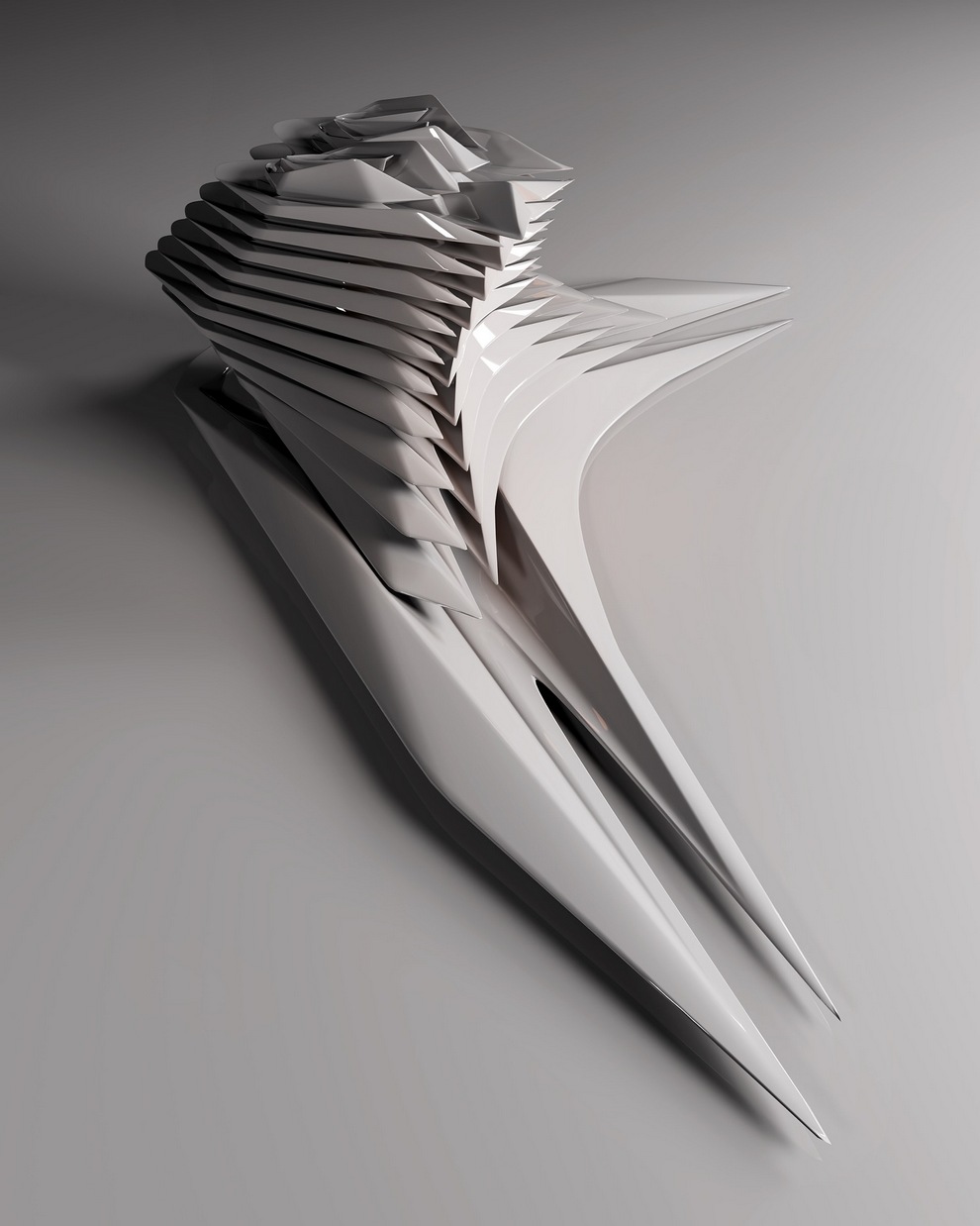

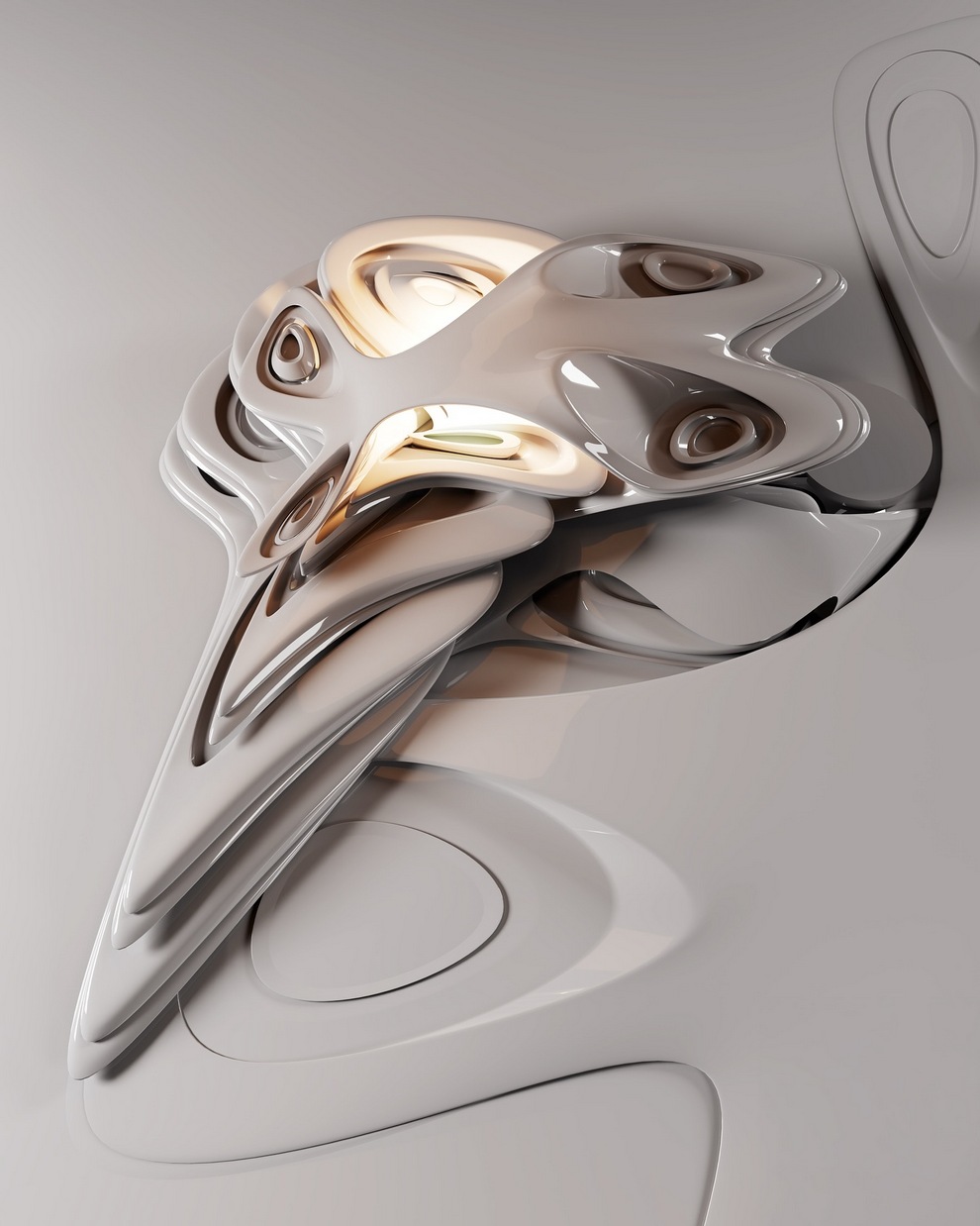
For architects, the value of this kind of practice lies in the questions it opens. An image can test a spatial relationship or suggest an experience before it resolves a programme. It can also leave essential matters unanswered: construction, access, maintenance and the everyday occupation of a place. Reading the work as speculation allows both its visual ambition and those limits to remain visible.
Architectural imagery by Witchaya Jingjit, reproduced from the selection presented by Design You Trust. The images depict speculative work, not photographs of completed buildings.