Public City Opens Thunderhead’s Mirrored Void to Ottawa
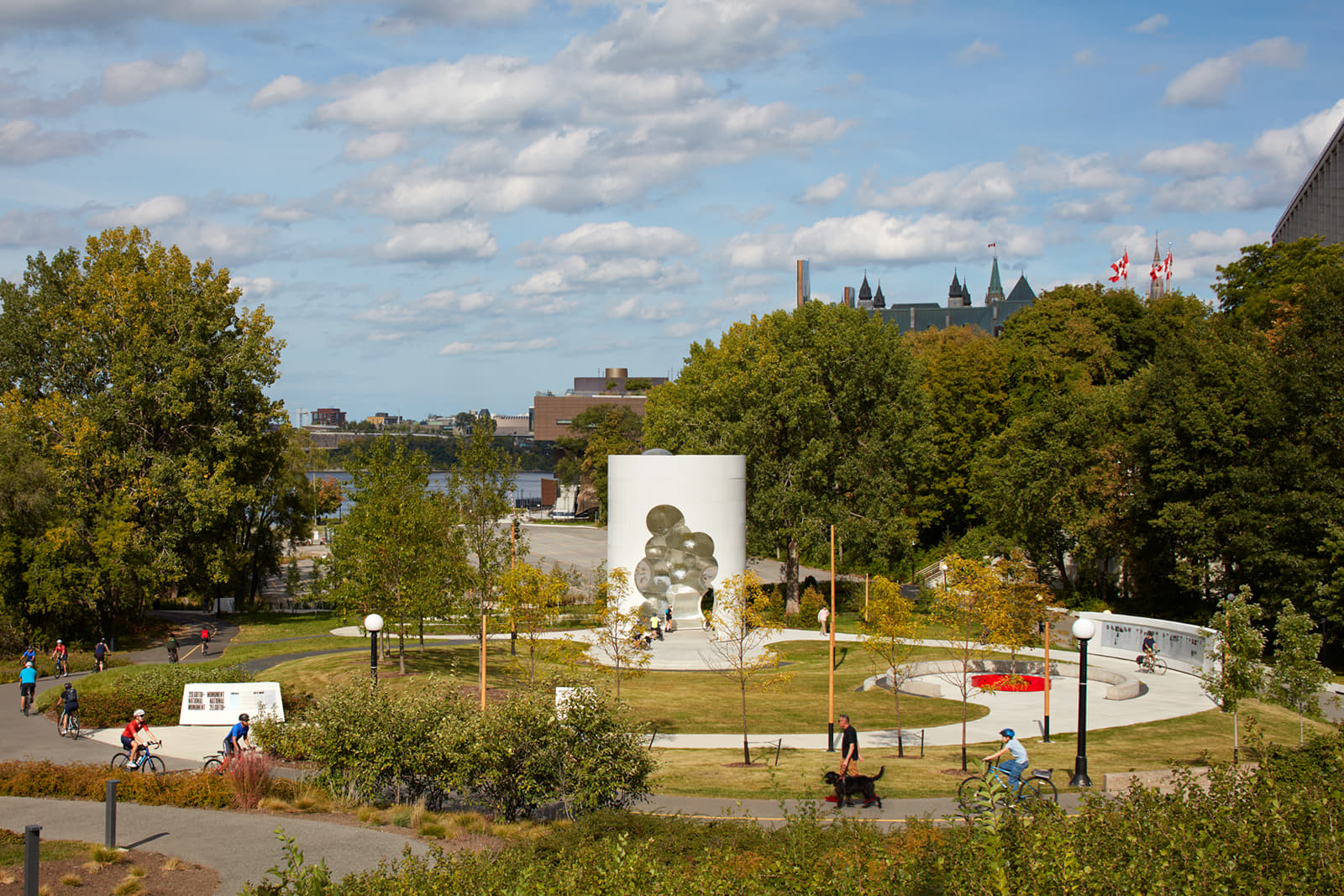
Thunderhead makes a national monument into a space that people can enter. Opened in Ottawa on 21 August 2026, the project was designed by Public City Architecture with artists Shawna Dempsey and Lorri Millan and Two-Spirit Elder Albert McLeod. A pale column rises from a landscaped site beside the Ottawa River, while an irregular opening reveals a mirrored interior.
The monument recognises generations of discrimination against Canada’s 2SLGBTQI+ communities, including the LGBT Purge. From the 1950s to the mid-1990s, members of the military, the Royal Canadian Mounted Police and the federal public service were investigated, harassed and dismissed because of their sexuality or gender identity. Funding for the monument came from the survivors’ class-action settlement.
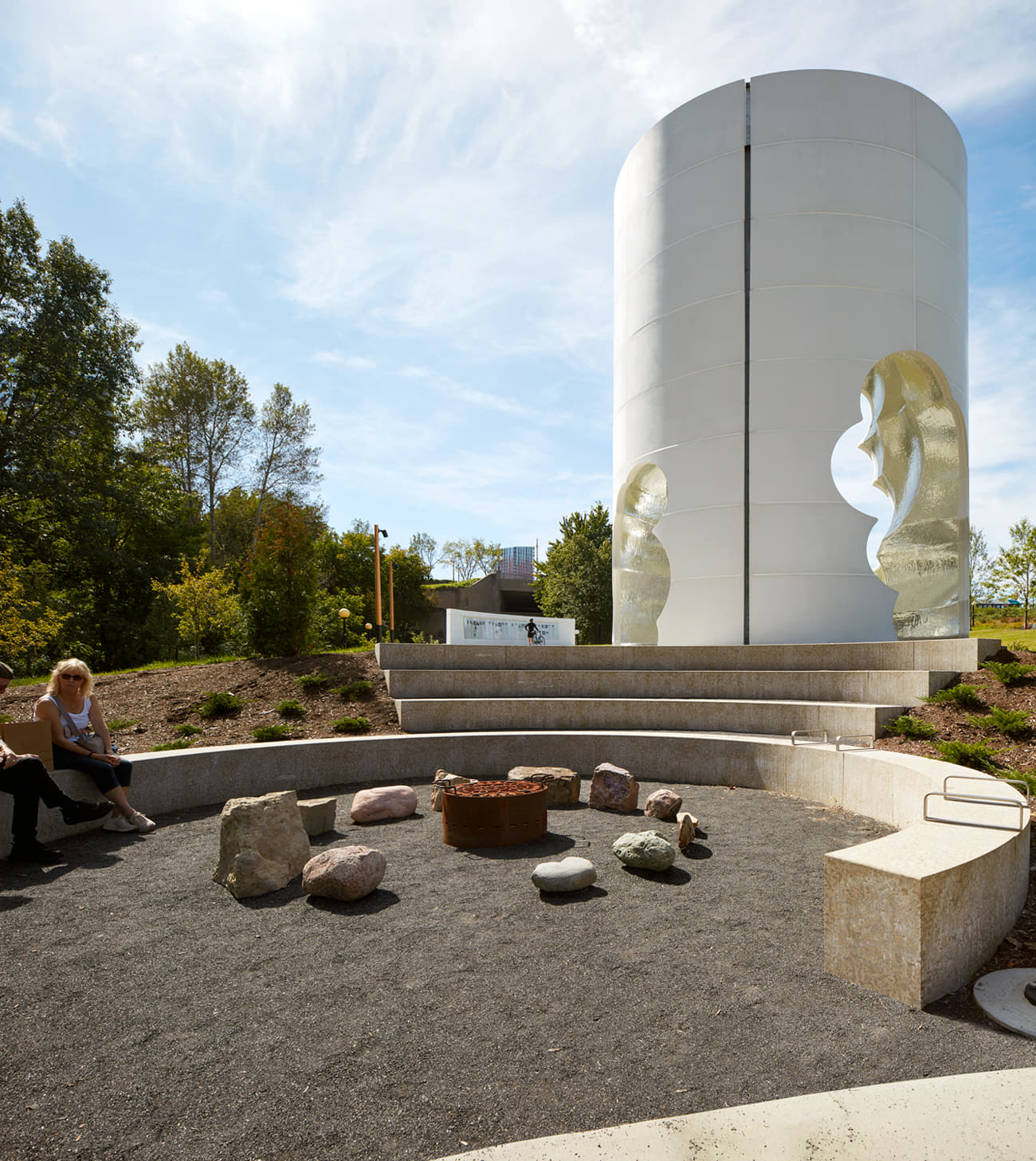
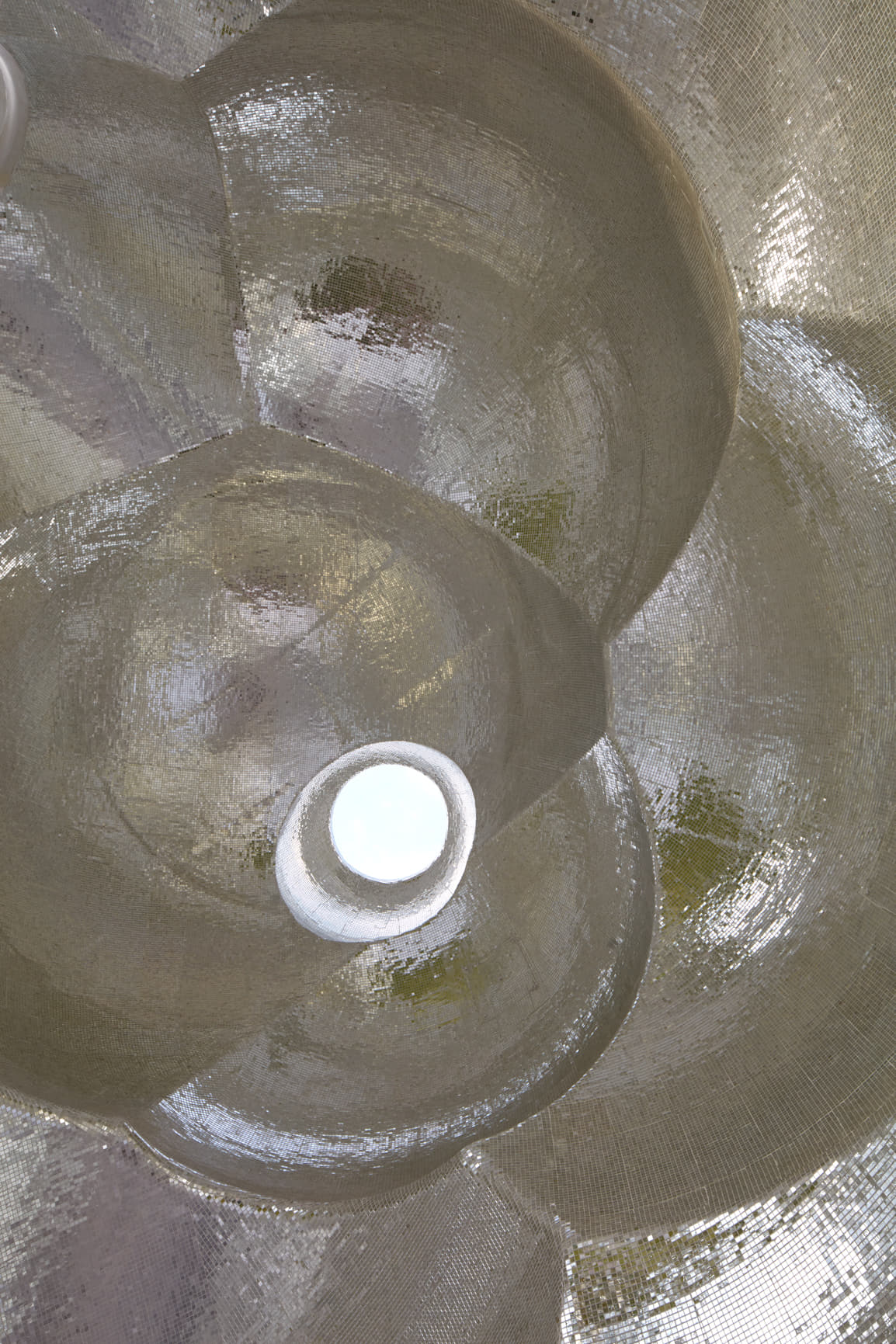
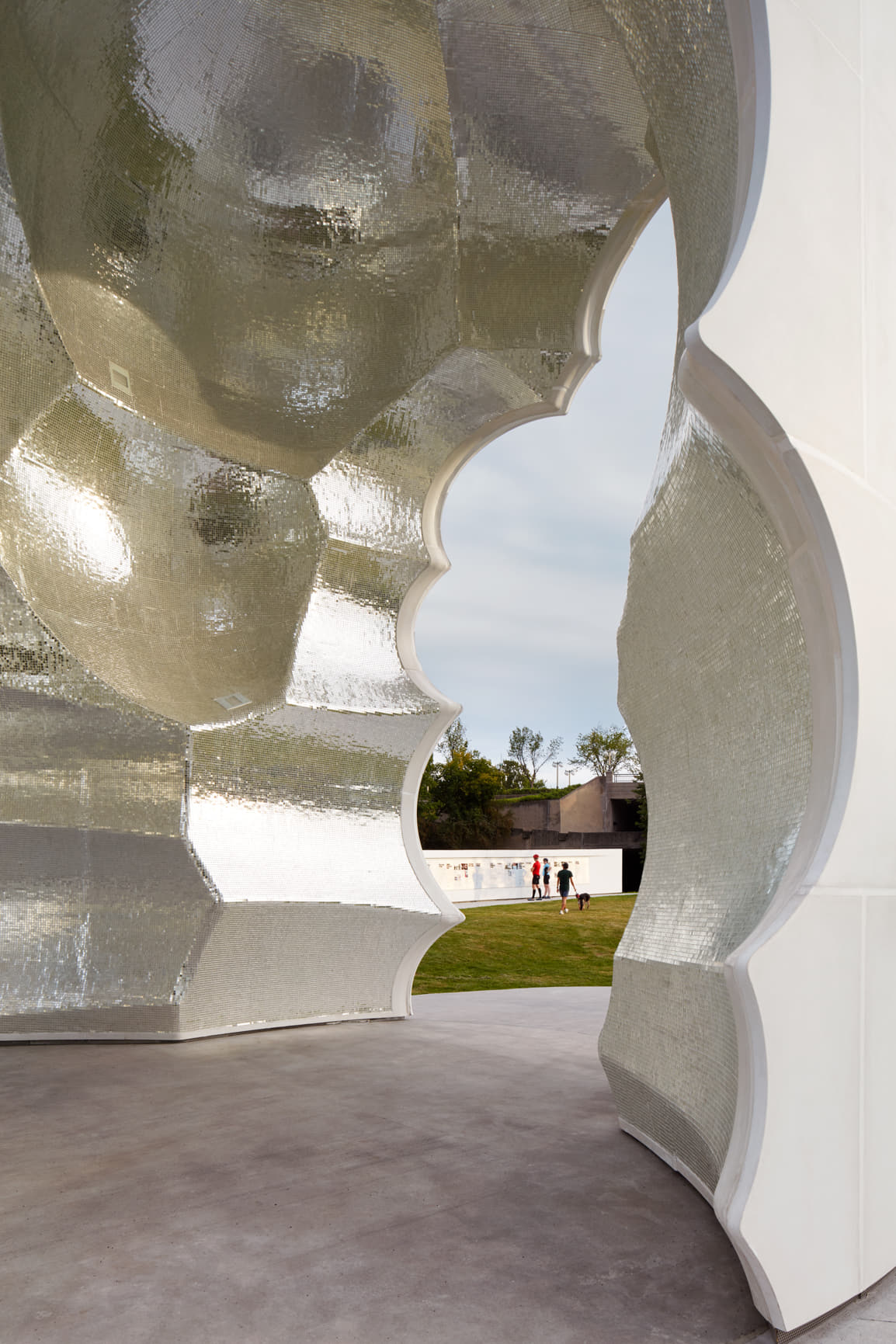
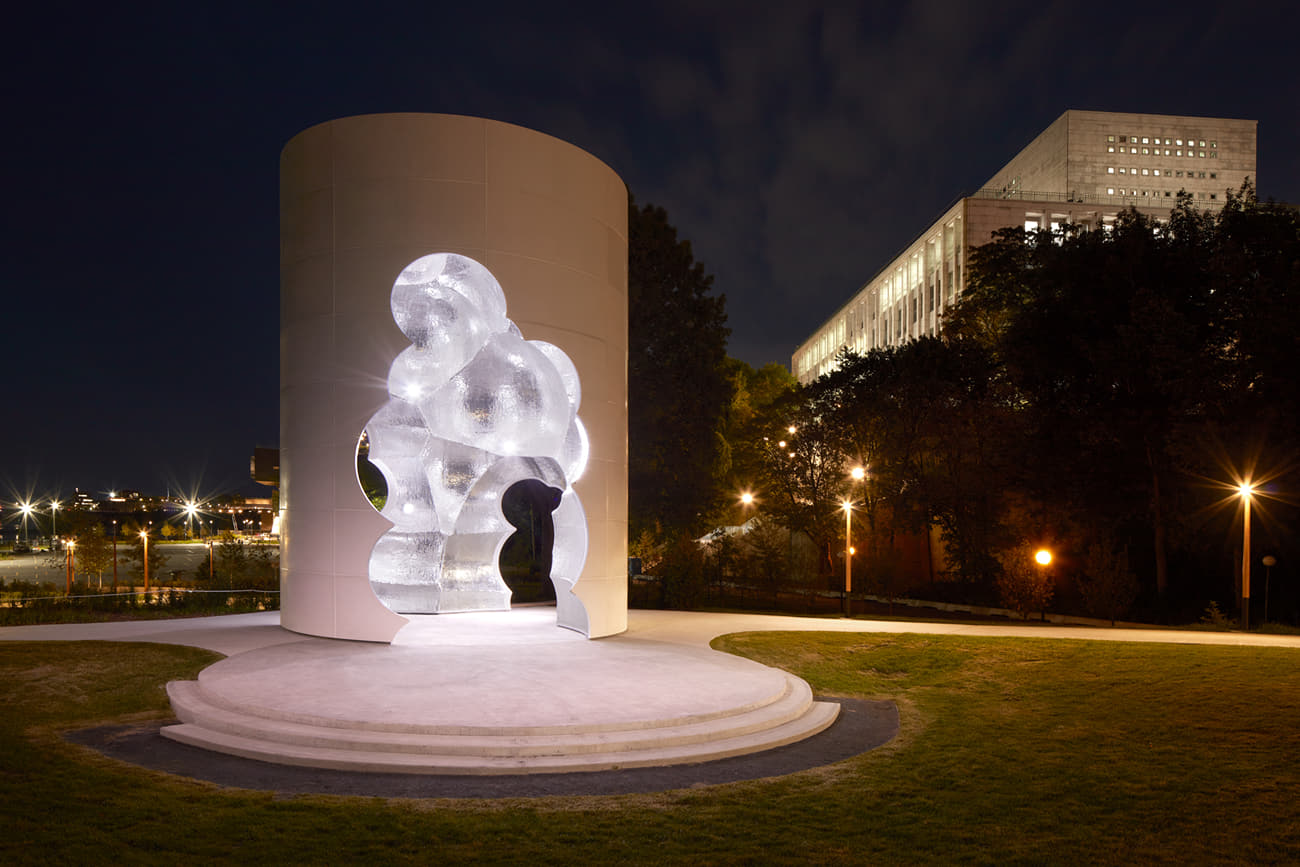
The design concentrates that history in the relationship between a solid outer shell and the space carved through it. The approximately nine-metre-high column is broken open by a cloud-shaped void. Its outline swells and contracts rather than following a regular internal cylinder, making the passage through the monument an encounter with changing surfaces and light.
Thousands of mirror-backed glass tiles line the interior. Reflections fragment the sky, surrounding planting and visitors’ own bodies into a shifting field. An opening overhead admits daylight, while the broad lower threshold keeps the riverfront landscape visible from inside. The visitor is physically included in the monument’s image.
The form brings together different cultural references. A thunderhead evokes the Thunderers in Anishinabe teachings, associated with renewal through storms. The reflective surface also recalls the disco ball, connecting the memorial to collective celebration. Neither reference requires the space to operate only as a place of mourning; it can support gathering, performance and protest.
Public City extended the project into a sequence of landscape spaces. Narrative walls explain the history of the Purge along a winding route. A healing circle is anchored by thirteen stones selected by Two-Spirit community members from across Canada’s provinces and territories. A medicinal garden, a tribute basin with a maple tree and a fruit orchard give the site distinct places for ceremony, remembrance and everyday use.
The construction translates the irregular cloud geometry into a durable exterior using glass-fibre-reinforced concrete panels. Iterative digital and physical modelling helped resolve a form that has little of a conventional building’s repetitive geometry. The surrounding planting and paths place this sculptural construction within a usable public landscape rather than on an isolated pedestal.
Located at 201 Wellington Street near the Portage Bridge, on the unceded traditional territory of the Anishinabe Algonquin Nation, Thunderhead joins the capital’s commemorative landscape with a space organised around presence and participation.
Images courtesy of Public City Architecture, sourced from the practice’s Archinect project gallery. Further information is available from Public City and Canadian Heritage.