A Red University Imagines an Impossible Edinburgh Through AI
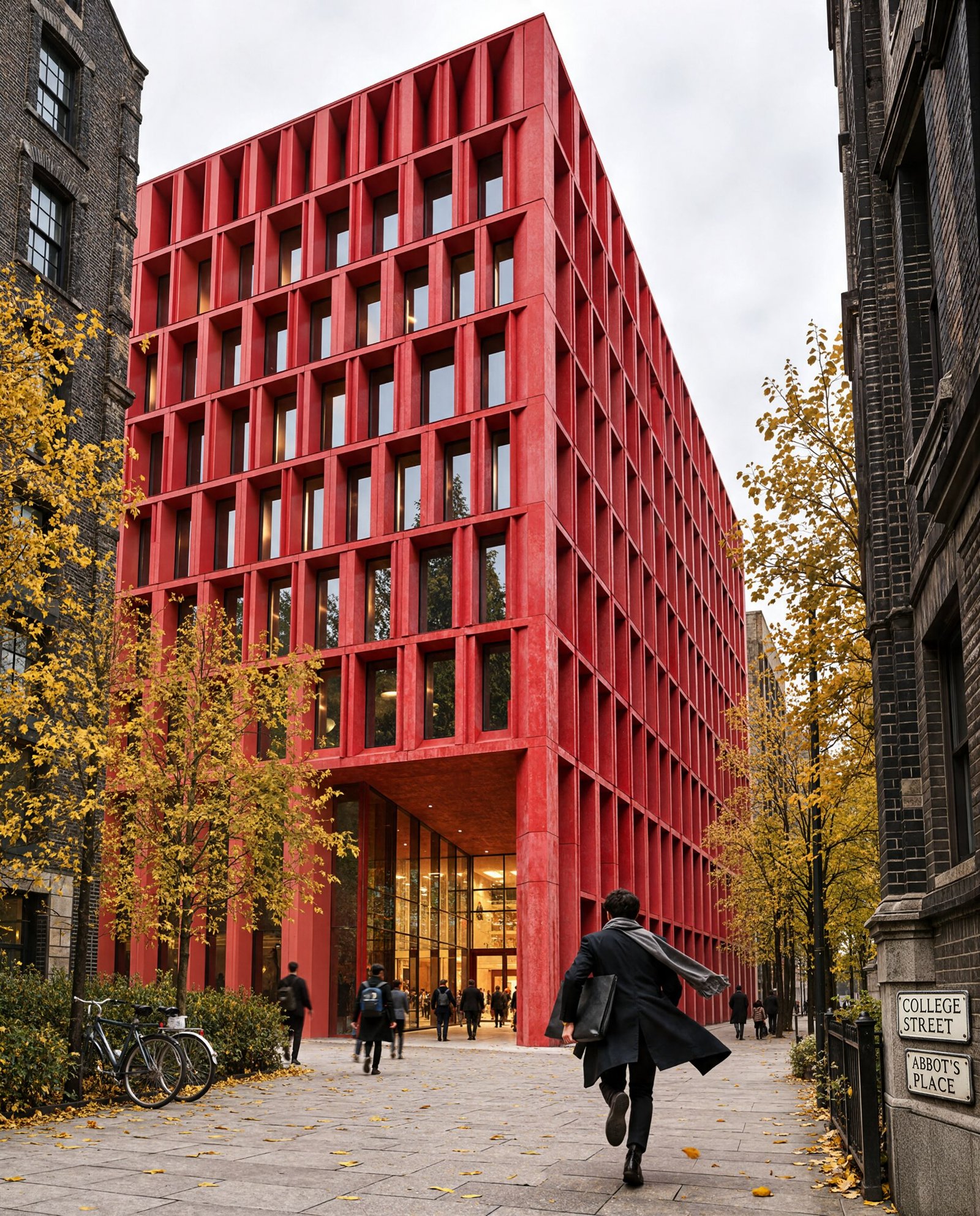
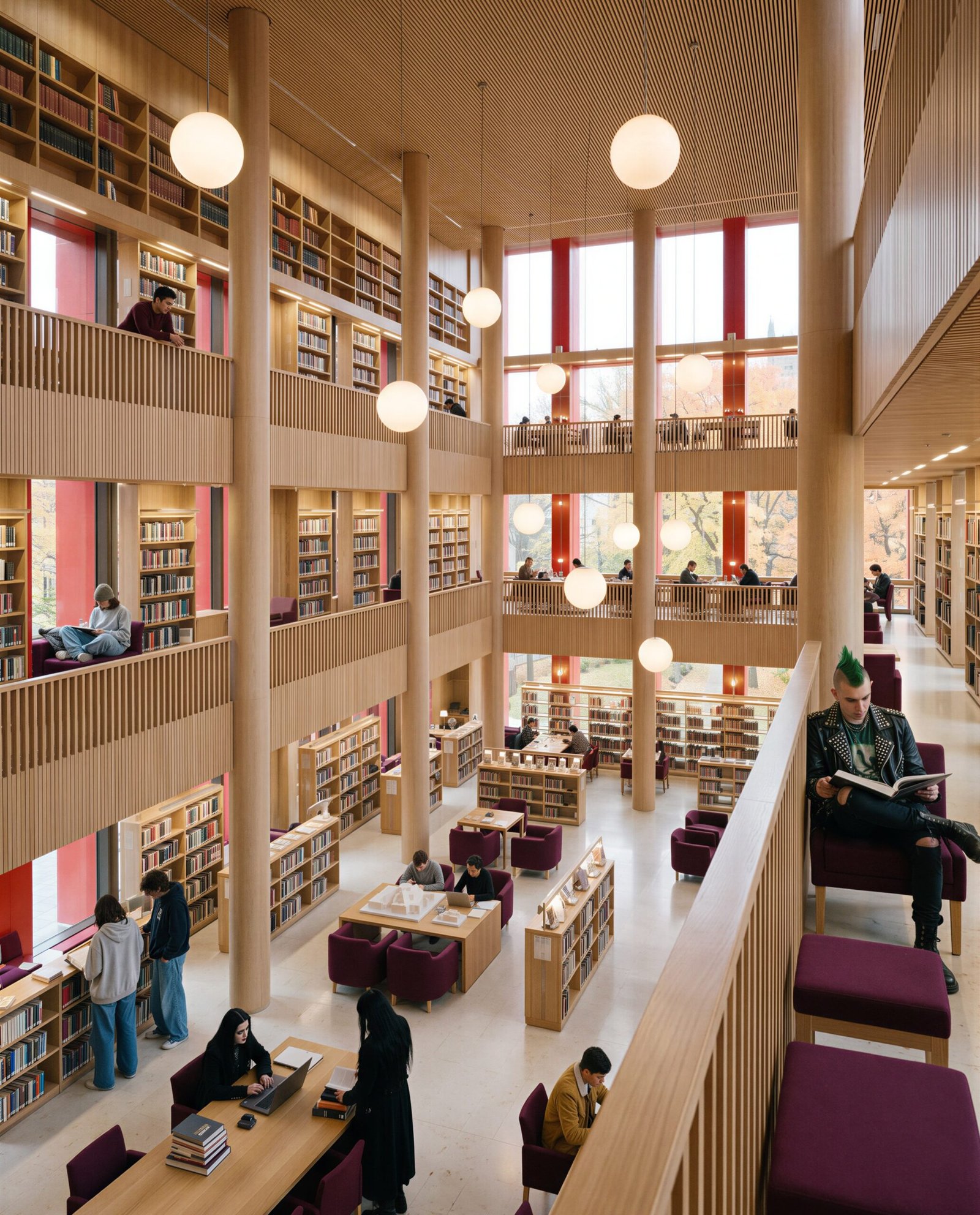
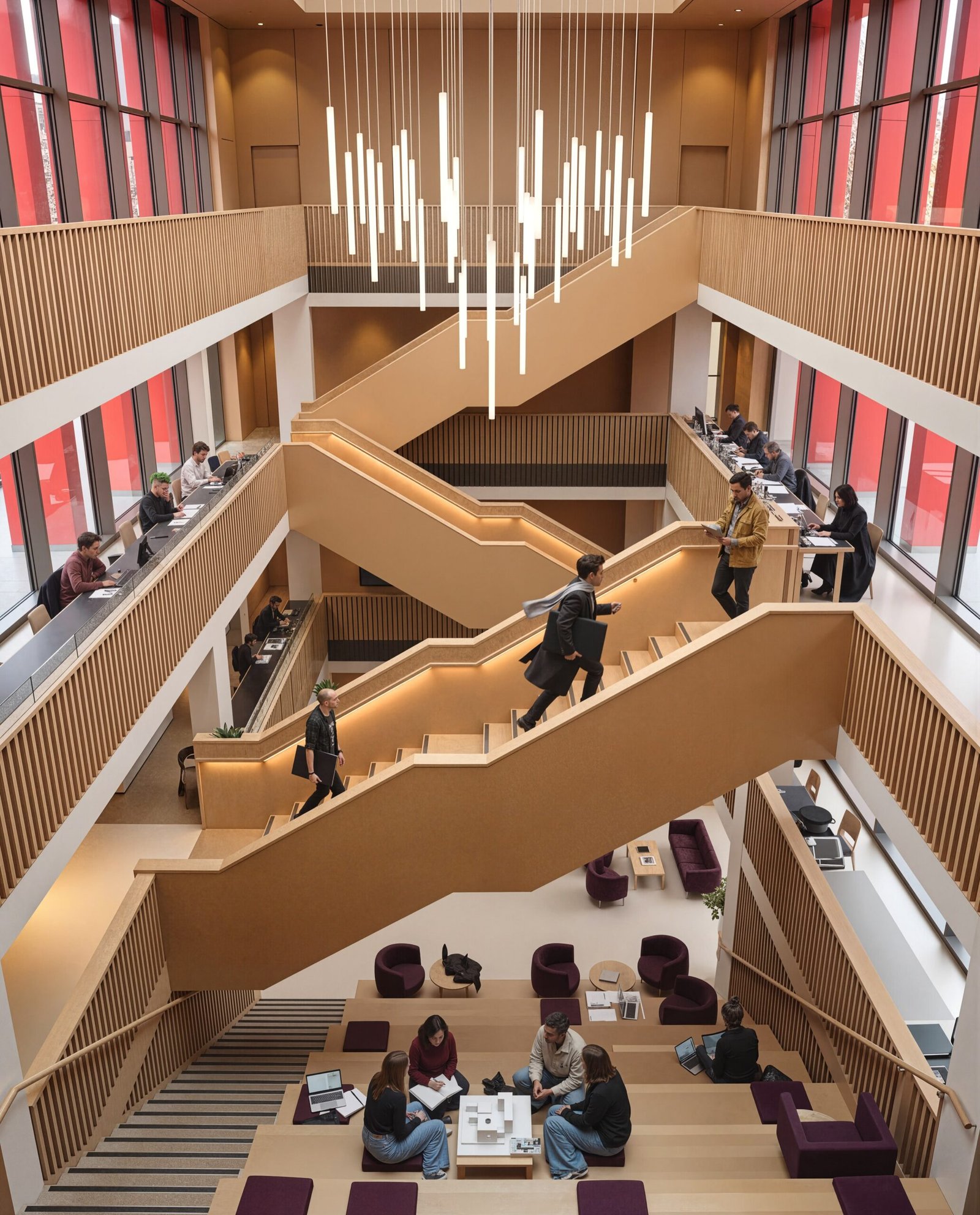
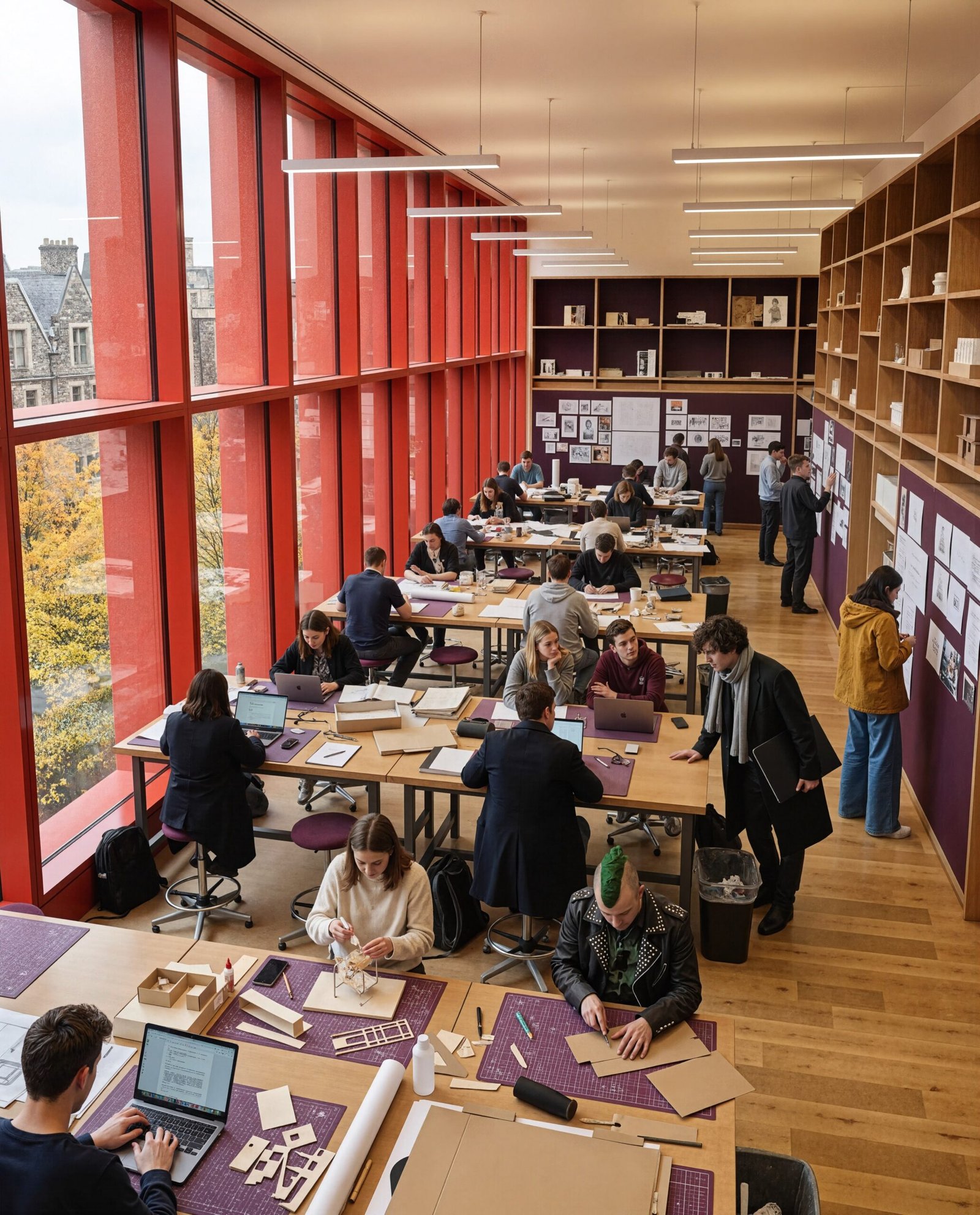
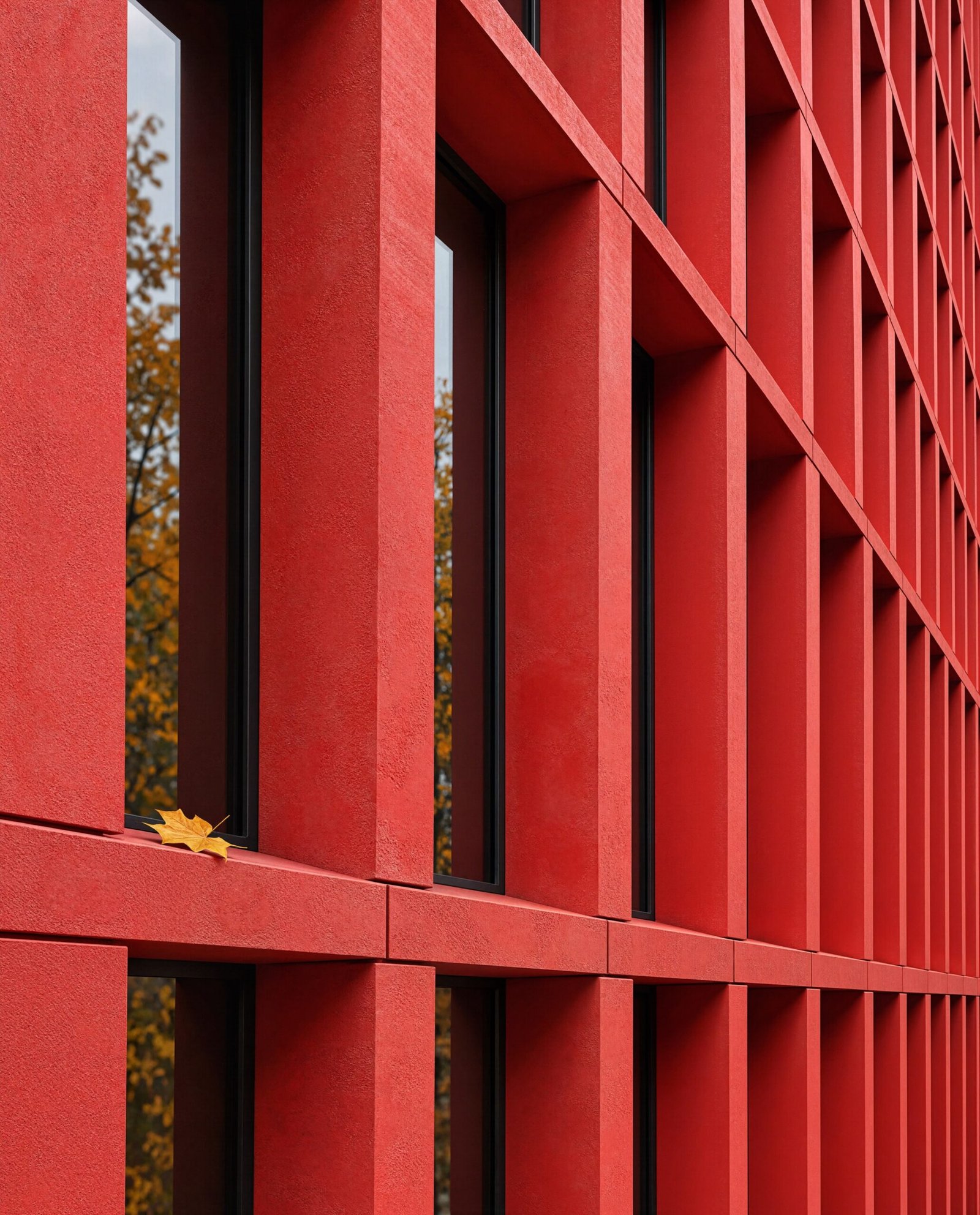
“A red university in the parallel Edinburgh” is a 2026 speculative image series by architect and inventor Alina Holovatiuk. It is not a real building, planning proposal or commissioned university. The work was generated as an AI-assisted visual experiment using Nano Banana 2.1 and Seedream 5.0 Pro inside Luma, and it should be read as imaginary architecture.The series inserts an enormous red institutional complex into an Edinburgh-like city. Steep roofs, chimneys and stone terraces are absorbed into a single saturated mass, while towers and courtyards exaggerate the scale of historic university precincts. The familiar urban fabric makes the impossible intervention briefly believable.A monumental red complex is inserted into an Edinburgh-like city. AI-generated image by Alina Holovatiuk.Its strongest quality is consistency across viewpoints. The colour remains architectural rather than decorative: walls, roofs, bridges and ground planes form one continuous material world. Repeated arches and vertical windows give the invented campus an internal grammar, even when the geometry drifts beyond what could reasonably be built.The images also expose the limits of the medium. Structure, circulation and programme are implied rather than resolved. Connections that appear convincing at a glance become ambiguous under close inspection. That gap is part of the value of the experiment, because it separates spatial atmosphere from architectural documentation.Courtyards and bridges extend the fictional campus. AI-generated image by Alina Holovatiuk.Historic city fragments are absorbed into one red material field. AI-generated image by Alina Holovatiuk.The series tests scale and atmosphere rather than buildable detail. AI-generated image by Alina Holovatiuk.Holovatiuk’s original release identifies both the author and tools. For ONUP, the series is useful precisely when its status remains explicit. It does not replace design development; it demonstrates how generative imagery can establish a coherent fictional city quickly, then invites architects to question which spatial ideas deserve to survive beyond the image. A credible next step would require plans, sections, structure, access and a defined programme, all of which are absent here. That absence should remain visible because it separates a provocative visual study from architecture. Used critically, the series can begin a conversation about institutional scale, colour and historic context; used uncritically, it would reduce those questions to atmosphere alone. The work is most productive as a brief generator: it can establish a mood and provoke alternatives, then hand responsibility back to architectural drawing, modelling and verification. That handover is where authorship and technical judgement become visible again.