Runik’s House of Culture Reconnects Architecture with Collective Life
Runik’s House of Culture is being reconsidered through the activities it once accommodated and the relationships it could support again. The Biography of a Building, a 2026 exhibition involving Hajde! Foundation, Petrit Halilaj and Ars Atelie, places the building’s social purpose at the centre of its architectural future.
The project concerns a civic building in Runik, in Kosovo’s municipality of Skënderaj. Its proposed restoration remains a work in progress, with reopening anticipated in 2028. The current exhibition is an opportunity to examine that process; it does not mark the completion of the restored House of Culture.
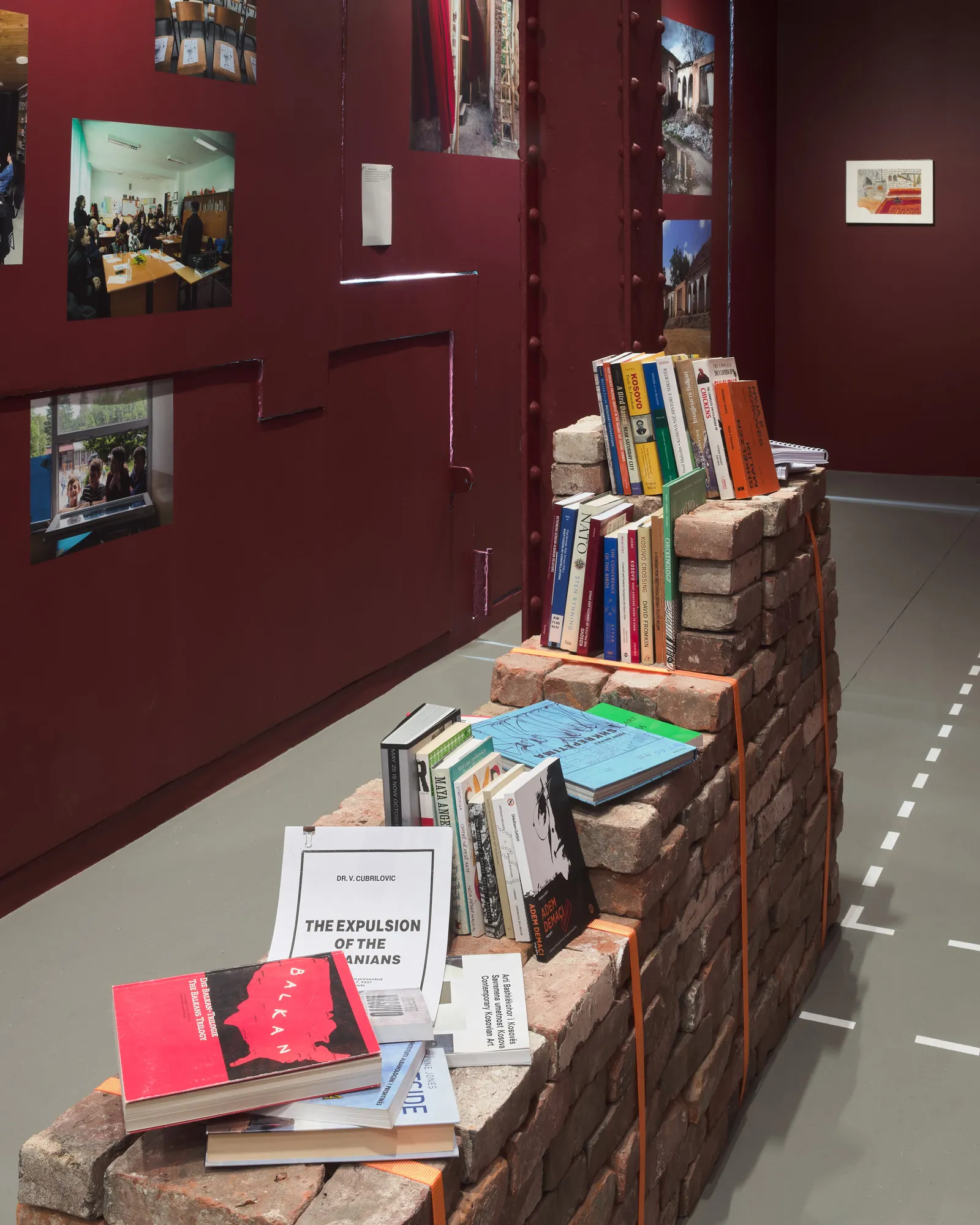
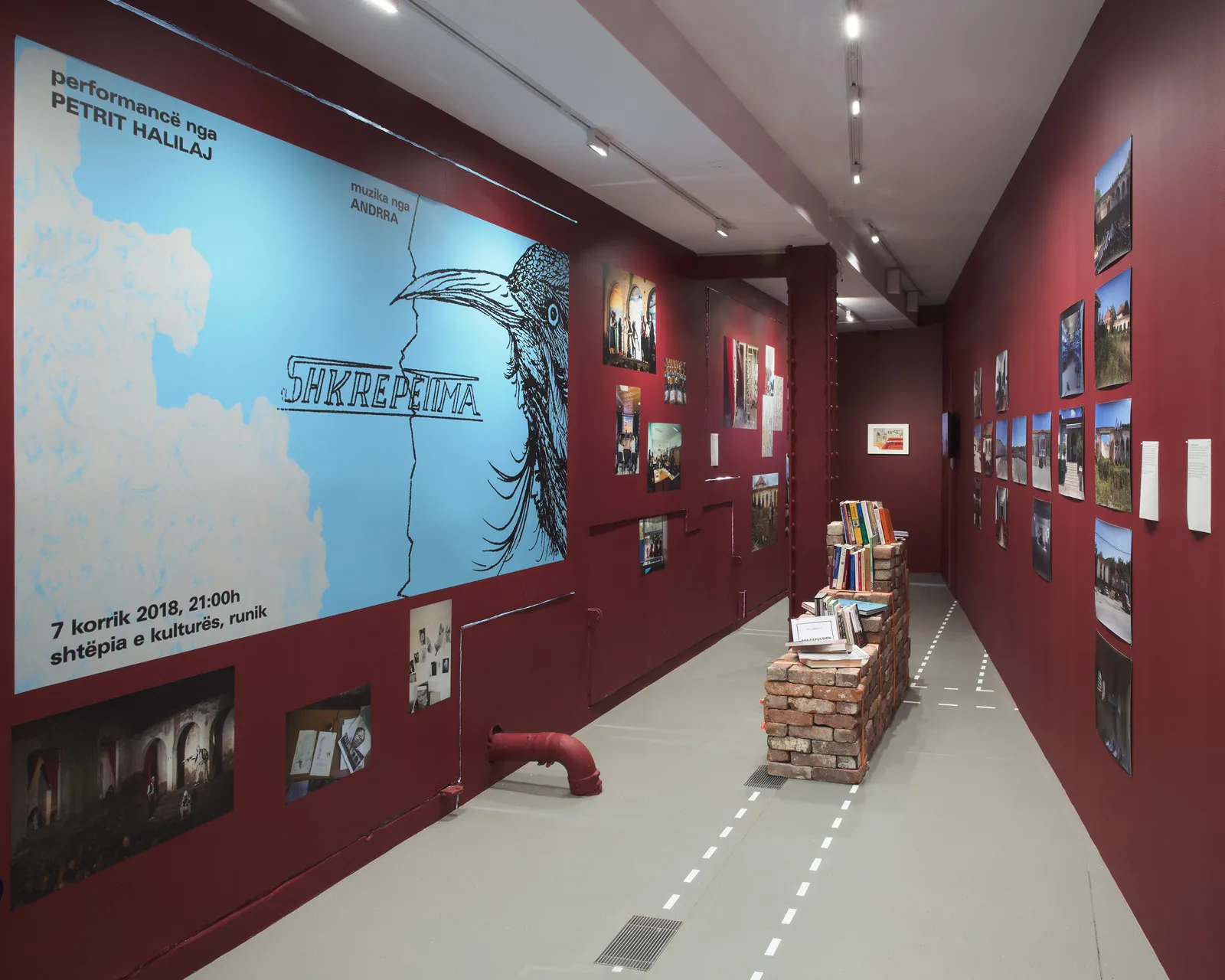
At Storefront for Art and Architecture in New York, the exhibition runs from 25 September to 13 December 2026. Archival material, oral histories and objects recovered from the building sit alongside Ars Atelie’s restoration proposal. Books intended for a future library, rugs and teapots connect the architectural discussion to reading, gathering and everyday hospitality.
The original building brought several programmes together. As described in KultPlus’s account of the Runik exhibition, its single-storey, T-shaped arrangement accommodated a theatre, cinema and library alongside cooperative functions. This combination matters: the building supported cultural exchange within a wider infrastructure of village life.
The Runik presentation also assembles evidence that a conventional architectural survey could miss. Majlinda Hoxha’s photographs address the abandonment and changing uses of cultural buildings across Kosovo, while Flutura Balaj’s documentary The House Remembers records residents’ experiences. Together, these materials give the future programme a human reference beyond the surviving walls.
Ars Atelie’s approach, presented through an architectural model, links the retention of cultural and social heritage with environmental responsibility. KultPlus identifies the preservation of ruins, existing building materials and roof tiles as part of that position. Reuse therefore concerns both physical resources and the continuity of a public institution.
Halilaj’s contribution extends this connection between material and memory. His 2026 work Here to Remind You (Runik) incorporates bricks from the former House of Culture. Kurimanzutto states that proceeds from its sale support Hajde! Foundation’s ongoing work, connecting an artwork made from the building to the effort surrounding its future.
The architectural question is what happens after reconstruction. A repaired envelope alone cannot establish a lasting cultural programme. The exhibition and Welcome Center in Runik create a setting for residents to discuss the activities and shared spaces they want. Read in this way, the project offers Kosovo a useful case for considering restoration as both the care of a building and the rebuilding of its public role.
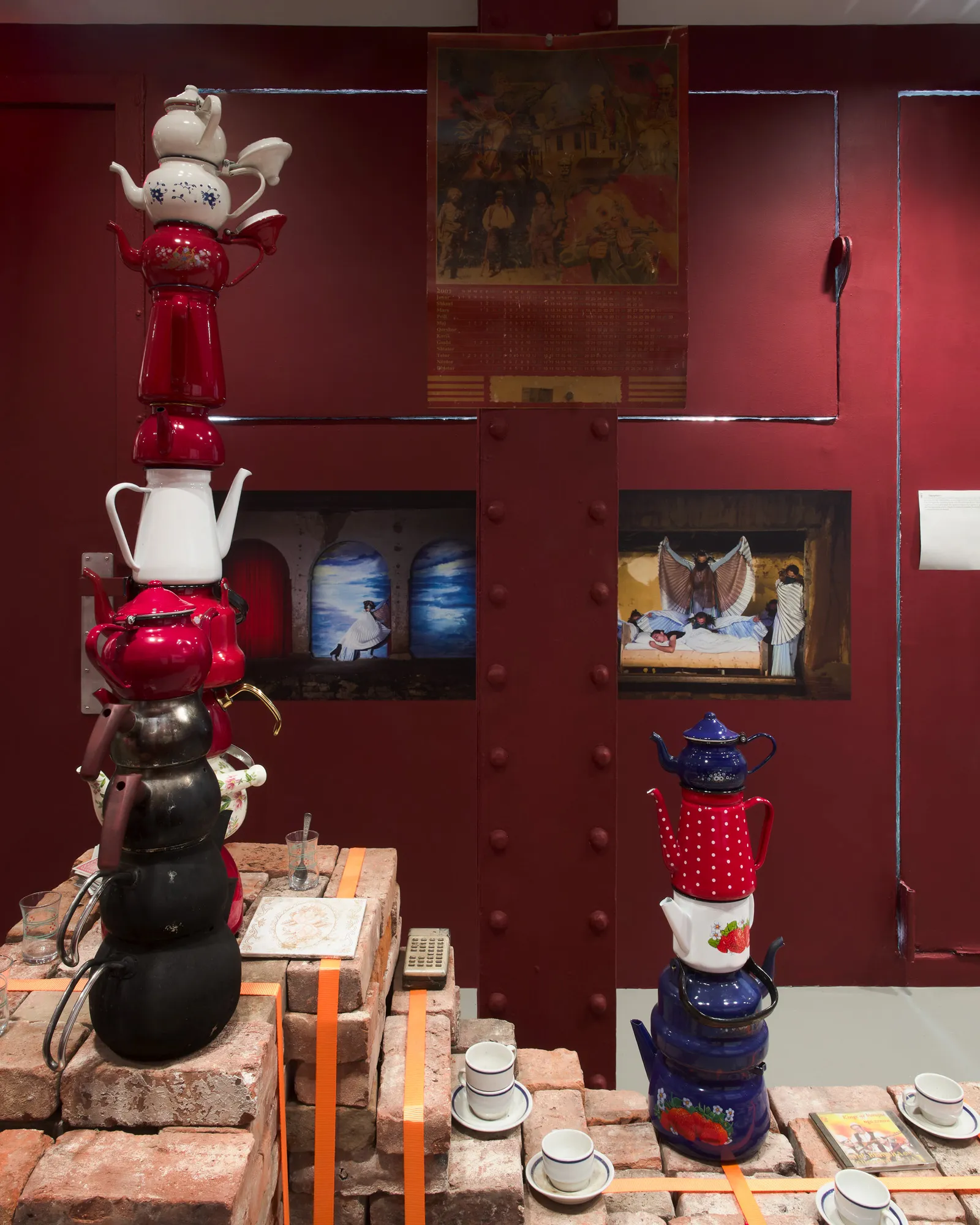
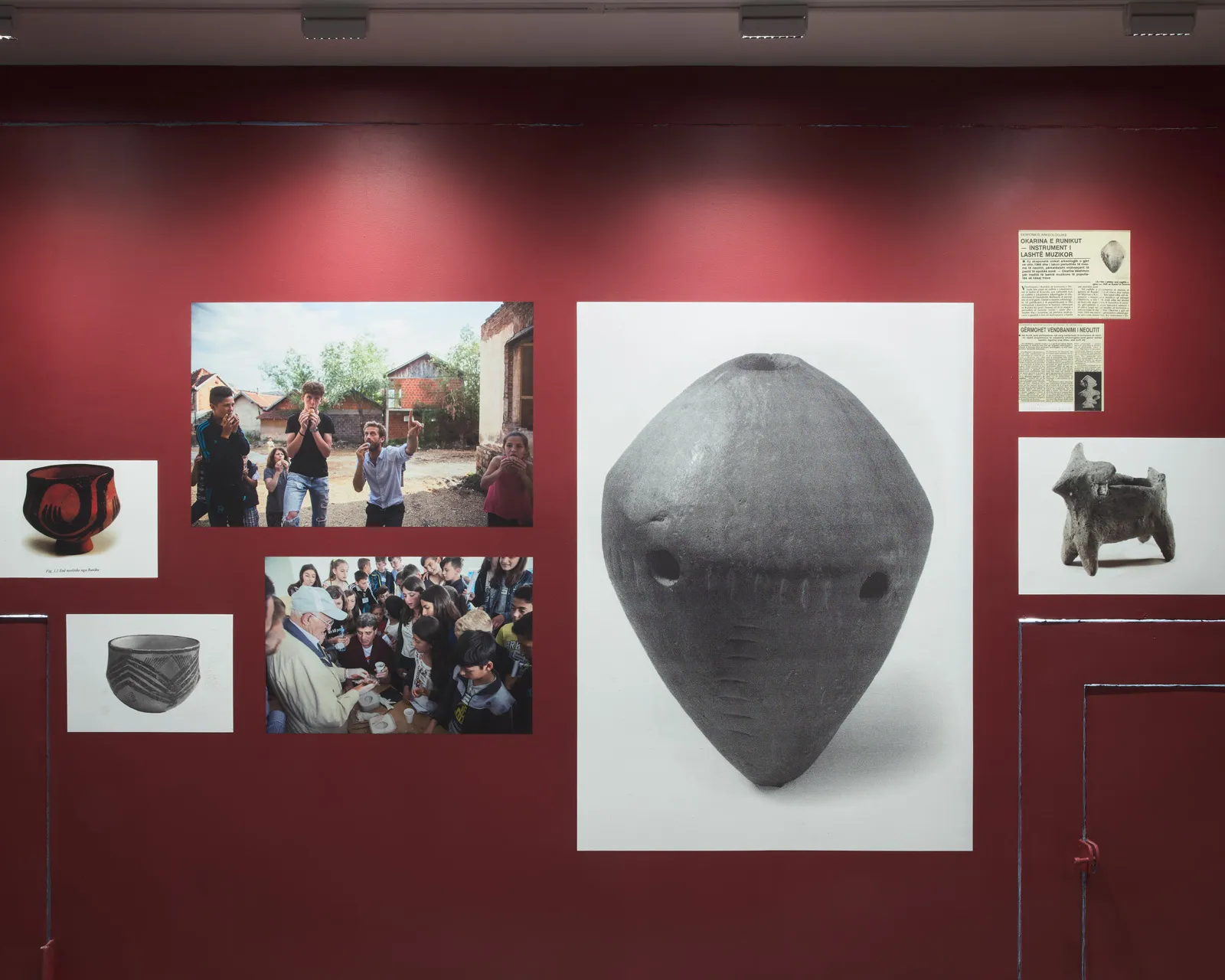
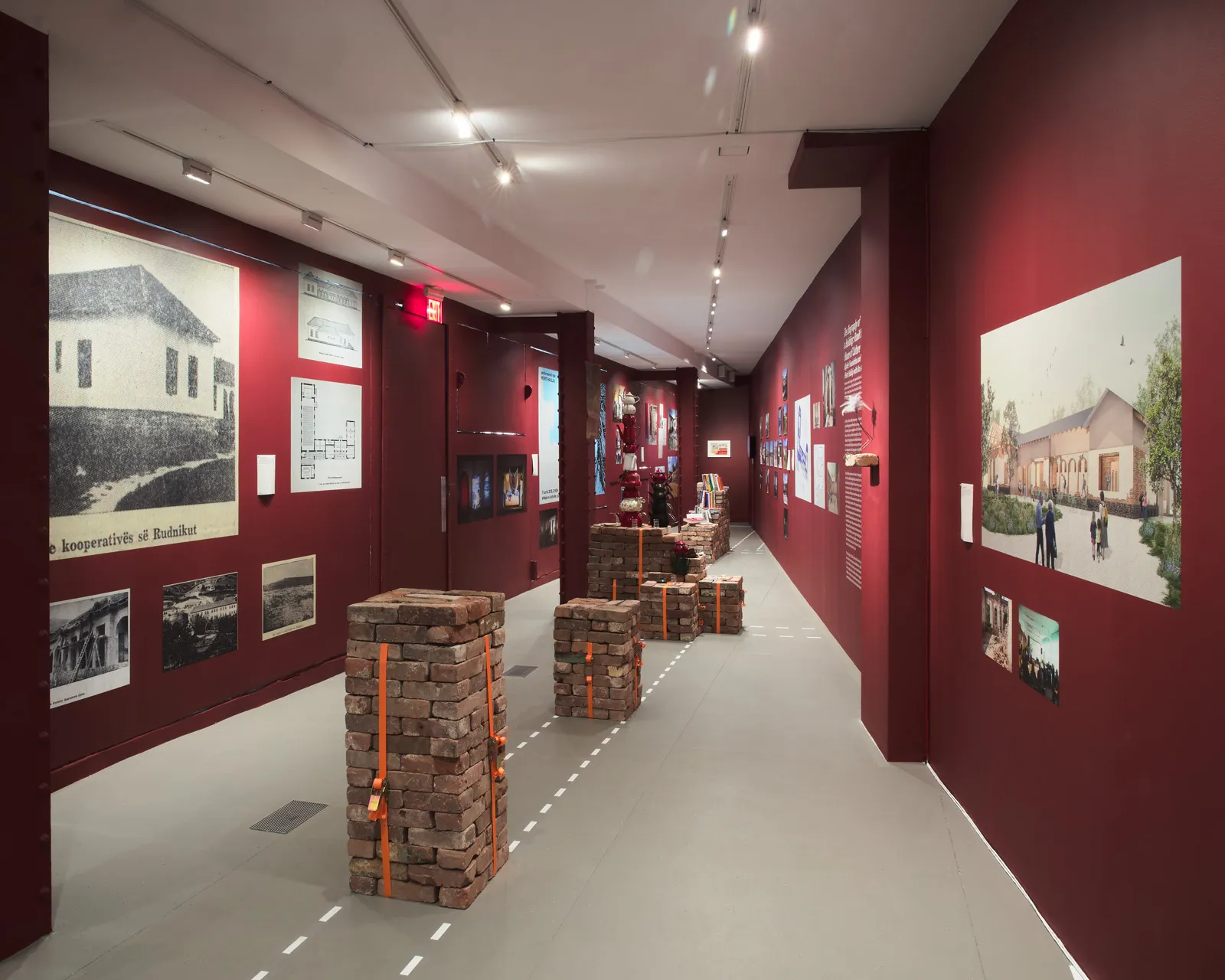
Images originate from Storefront for Art and Architecture’s exhibition gallery and show the New York installation. Photography by Luis Corzo. Sources: Storefront, KultPlus and Kurimanzutto.