Foster + Partners Builds Power and Light into Kettal’s Area
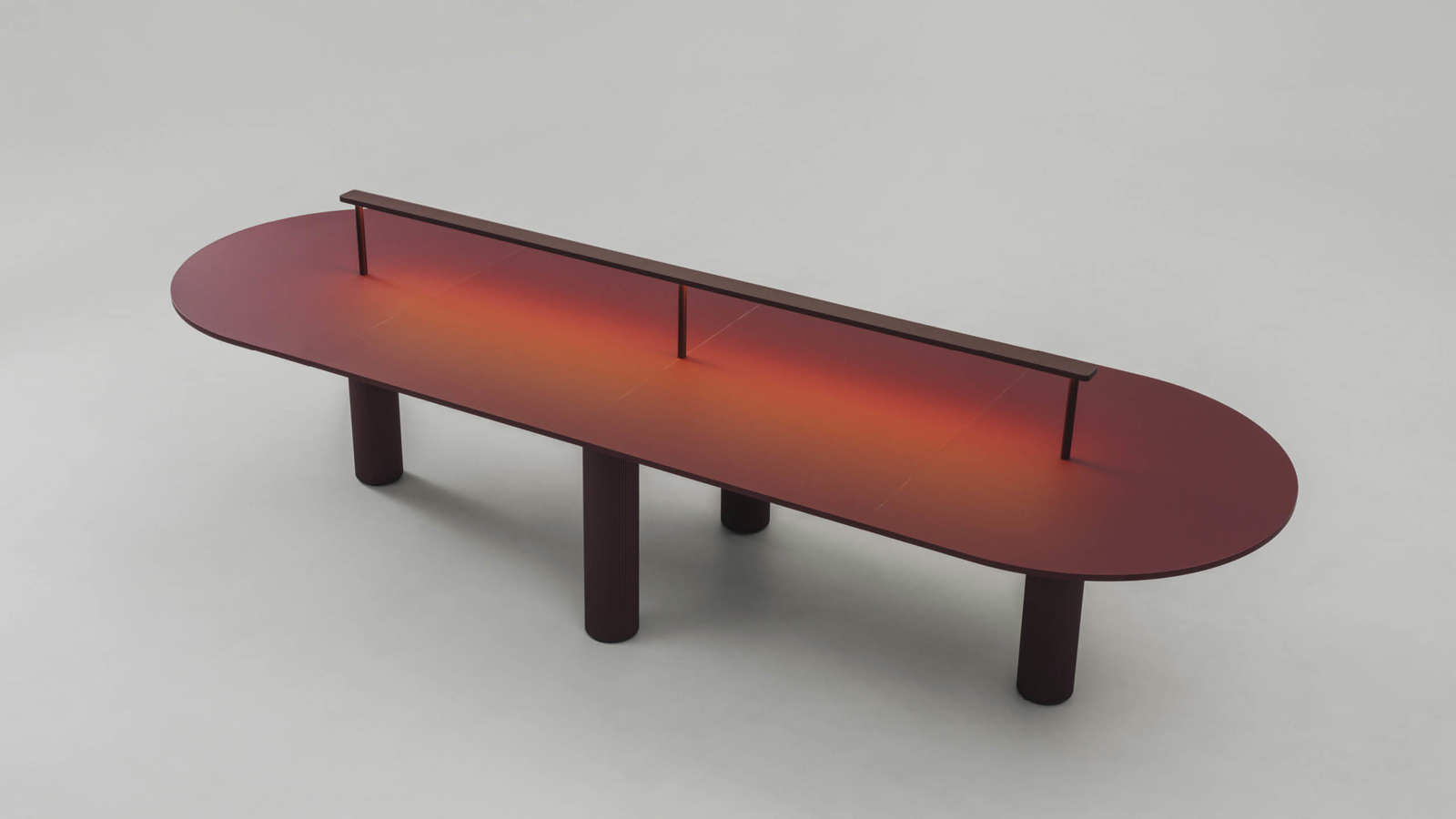
Area, developed by Foster + Partners Industrial Design with Kettal, treats the table as a small piece of workplace infrastructure. Launched at Salone del Mobile in April 2026, the modular collection combines work surfaces with structural columns, cable management, power provision and optional lighting.
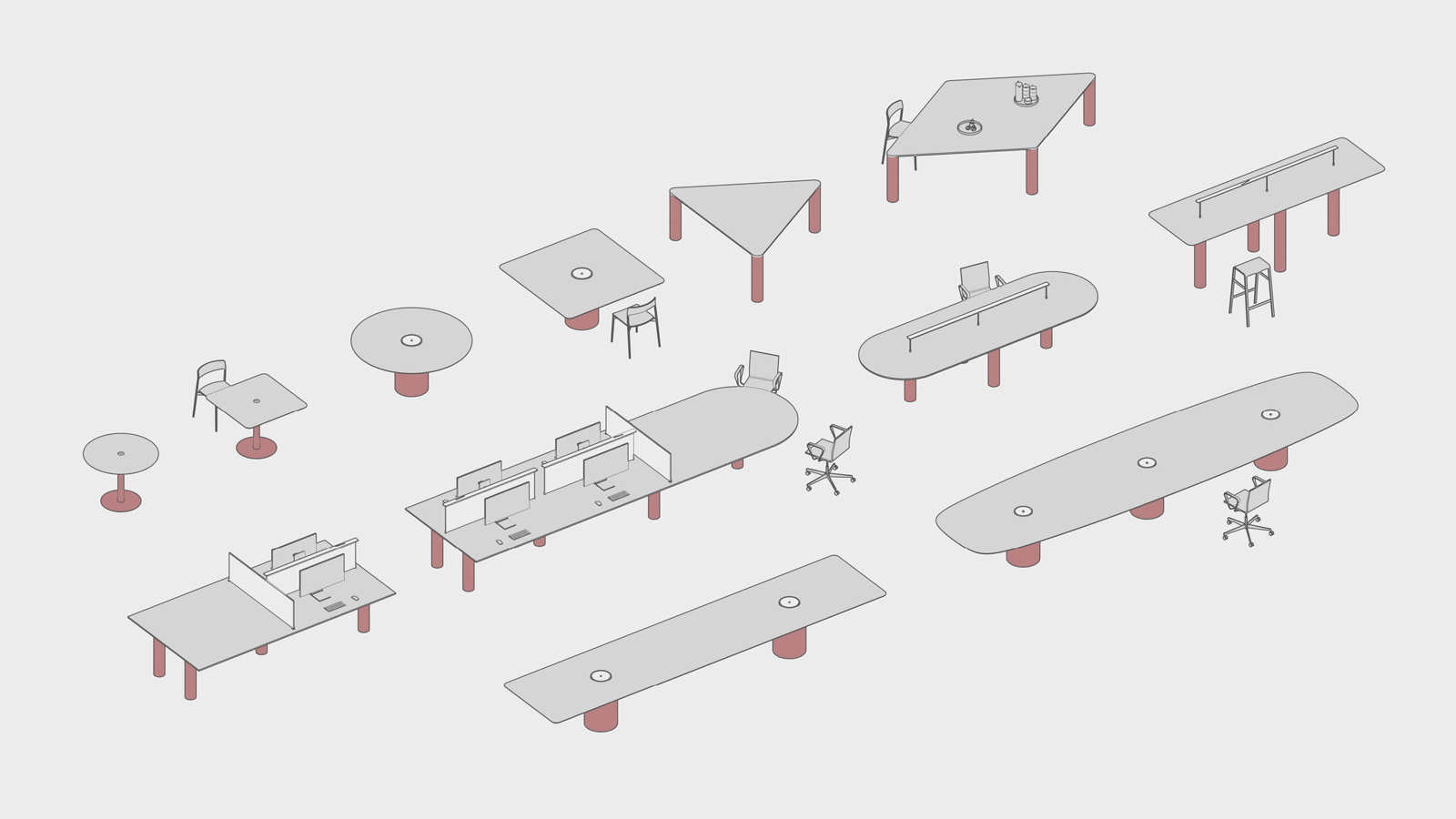
The aluminium columns come in three diameters: 90, 160 and 450 millimetres. They support arrangements for seated or standing use while accommodating services. Round, rhomboid and triangular tabletop modules allow the system to form different kinds of working and gathering points.
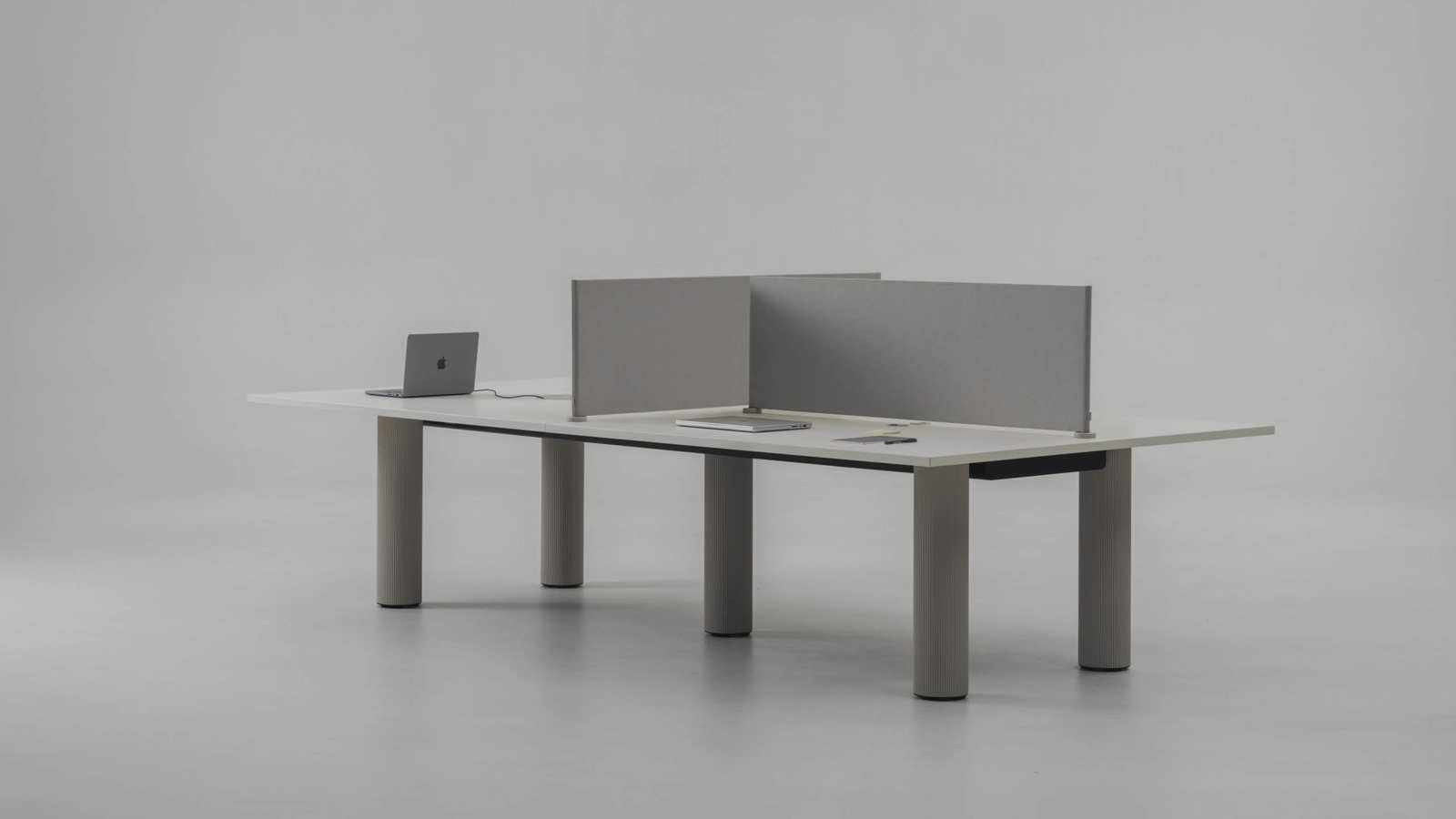
A concealed J-profile aluminium beam supports the surfaces and provides a continuous route for cables. Integrated accessories include fabric screens and a concealed grommet for sockets, USB-C connections and data. Rather than adding these requirements after choosing a table, the collection makes room for them within its basic construction.
The architectural interest is in the relationship between furniture and the room around it. Workplaces often ask a simple desk to carry an increasing number of services. The resulting cables, adapters and separate fittings can determine how the space is used as strongly as the furniture itself.
Area brings those elements into a coordinated system. That does not remove the need to plan the building’s power and data supply, but it gives the last part of the connection a defined place. The same column that carries the surface can also organise the equipment used above it.
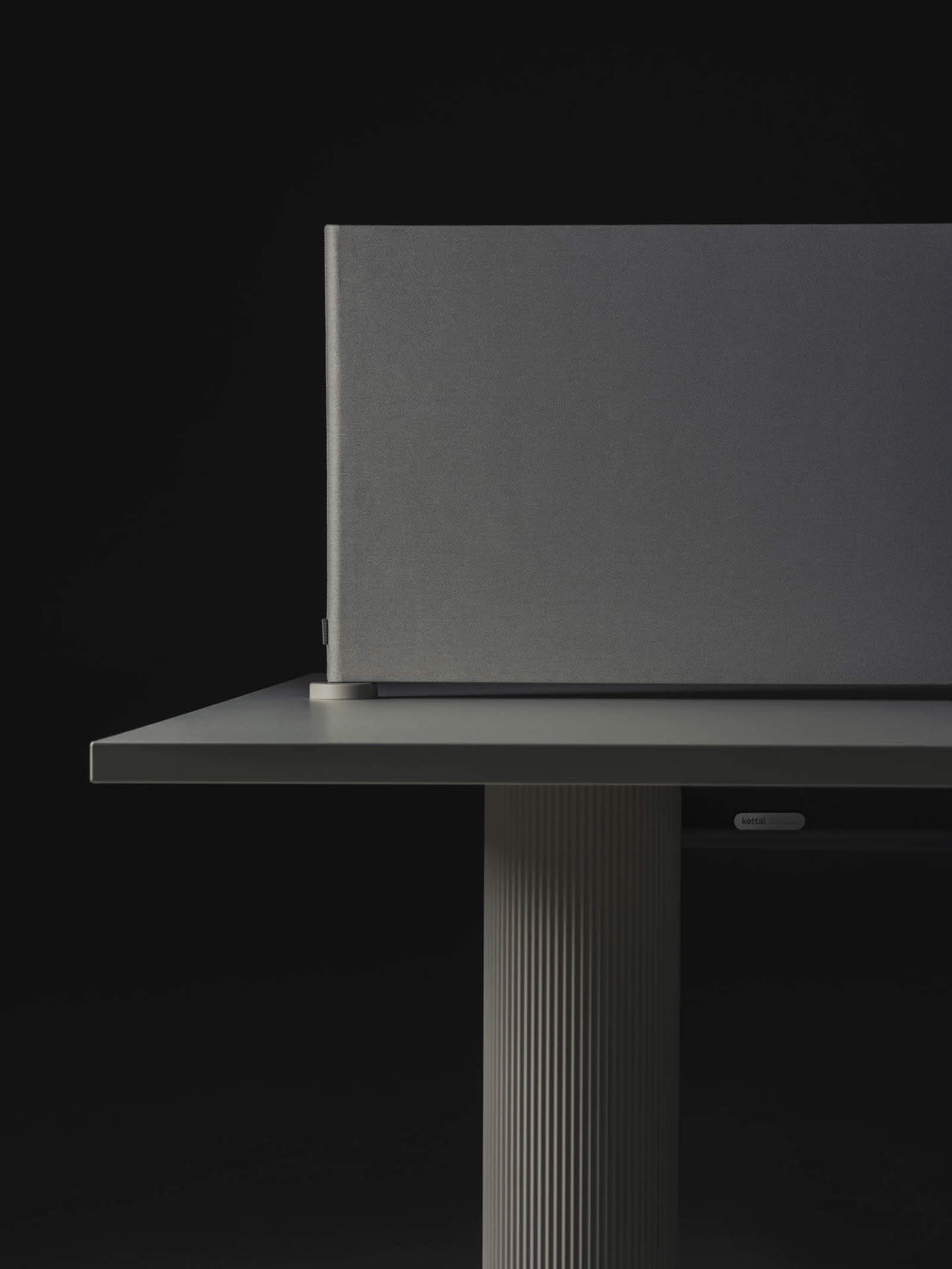

The range of tabletop materials includes timber, linoleum, melamine and Fenix, with terrazzo and marble available for larger conference or feature tables. Anodised and powder-coated structural finishes allow further variation. These choices make the system adaptable in appearance as well as arrangement.
The collection is intended for settings including offices, libraries, cafés and meeting rooms. Its usefulness in each depends on more than modularity. Access, maintenance, reach and the ability to change a layout remain practical questions for the designer.
Area is worth examining as an example of furniture taking on an architectural role without becoming a fixed partition or complete room. It establishes a place to work through a surface, a support and a set of connections. Product images originate in Foster + Partners Industrial Design’s official Area portfolio; an individual photographer is not named there.